
Ilhós
Produtos
- View as
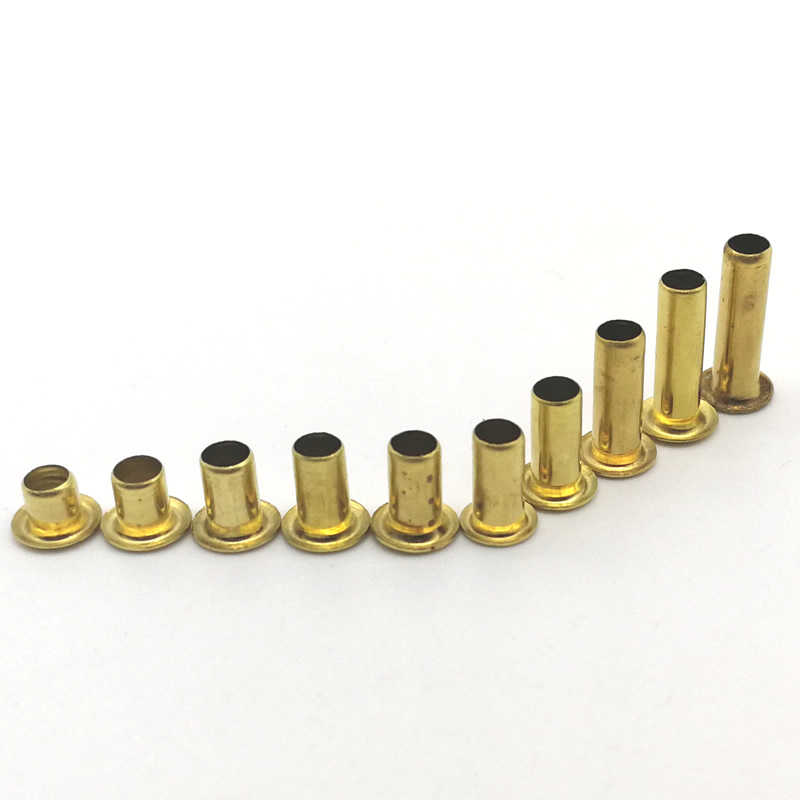
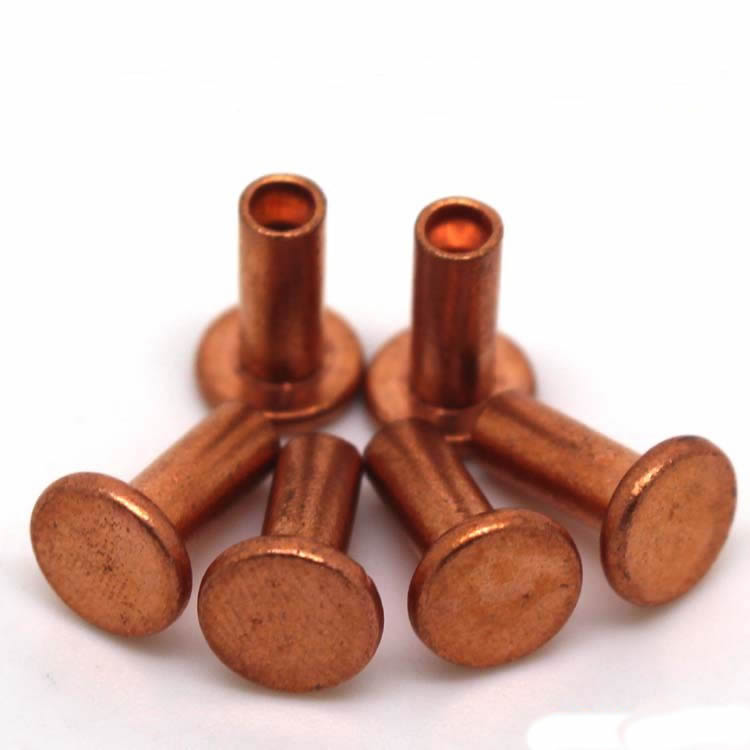
Ilhós de latão de 3 mm
Como fabricante na China, a Nuote Metals oferece ilhós de latão personalizados de 3 mm para tecidos de peso médio, lona e artesanato em couro. Ligeiramente maiores que 2 mm, estes ilhós proporcionam um reforço mais forte sem serem volumosos. À prova de ferrugem e com bordas lisas, protegem os materiais ao mesmo tempo que acrescentam um toque de elegância. Perfeito para bolsas, cintos e equipamentos ao ar livre. Resolva problemas de desgaste e rasgos com ilhós feitos com precisão que se ajustam facilmente. Confie em nossa fábrica para obter qualidade confiável que faz com que cada projeto pareça profissional.
consulte Mais informaçãoEnviar consulta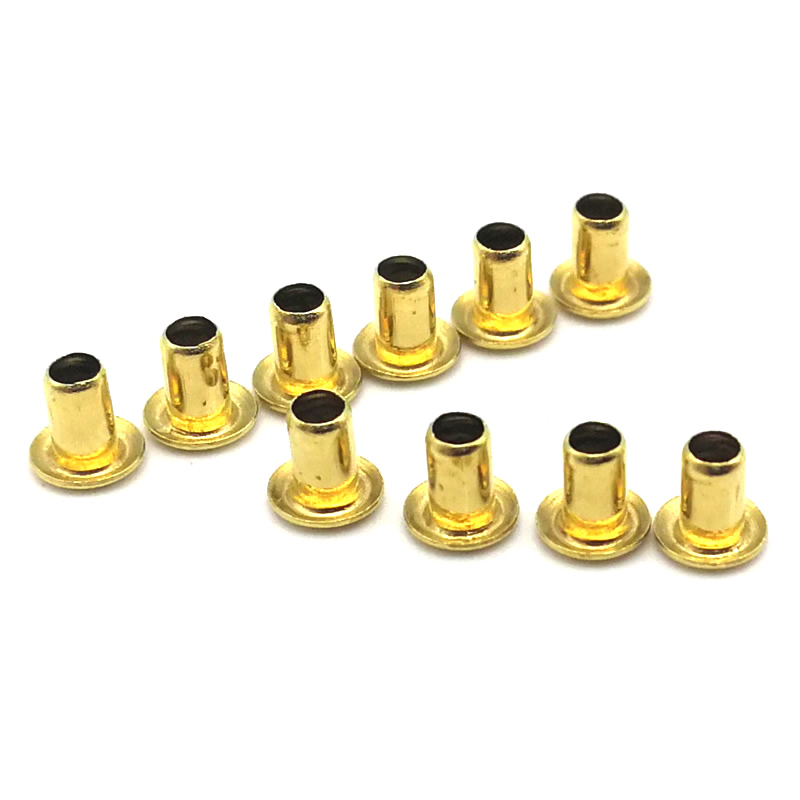
Ilhós de latão de 2 mm
Somos a Nuote Metals, uma fábrica na China especializada em ilhós de latão de 2 mm para tecidos delicados e mini artesanato. Esses pequenos ilhós oferecem precisão à prova de ferrugem sem rasgar materiais, atendendo às suas necessidades de microrreforço. Confie em nossa fábrica pela qualidade que faz com que cada pequeno projeto pareça perfeitamente acabado.
consulte Mais informaçãoEnviar consulta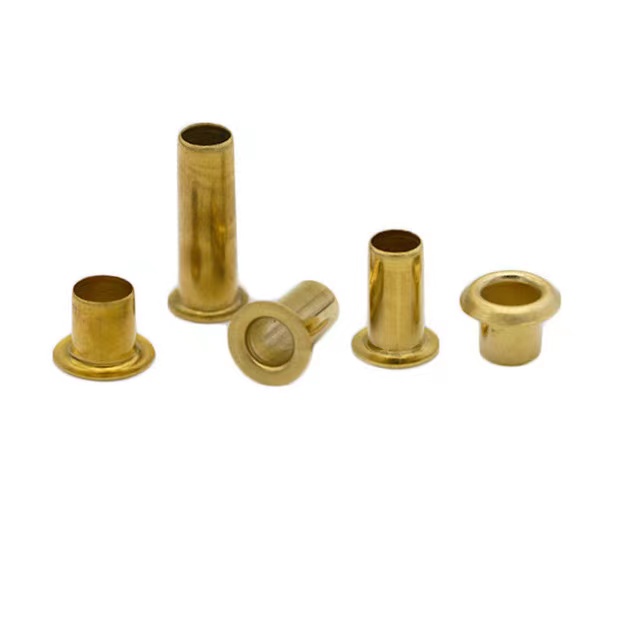
Ilhós de latão para tecido
A Nuote Metals, fabricante com sede na China, apresenta ilhós de latão para tecido. À prova de ferrugem e com bordas lisas, eles protegem materiais delicados ao mesmo tempo que adicionam resistência elegante. Ideais para designers e artesãos, esses ilhós oferecem qualidade duradoura. Confie no fabricante para obter resultados premium.
consulte Mais informaçãoEnviar consulta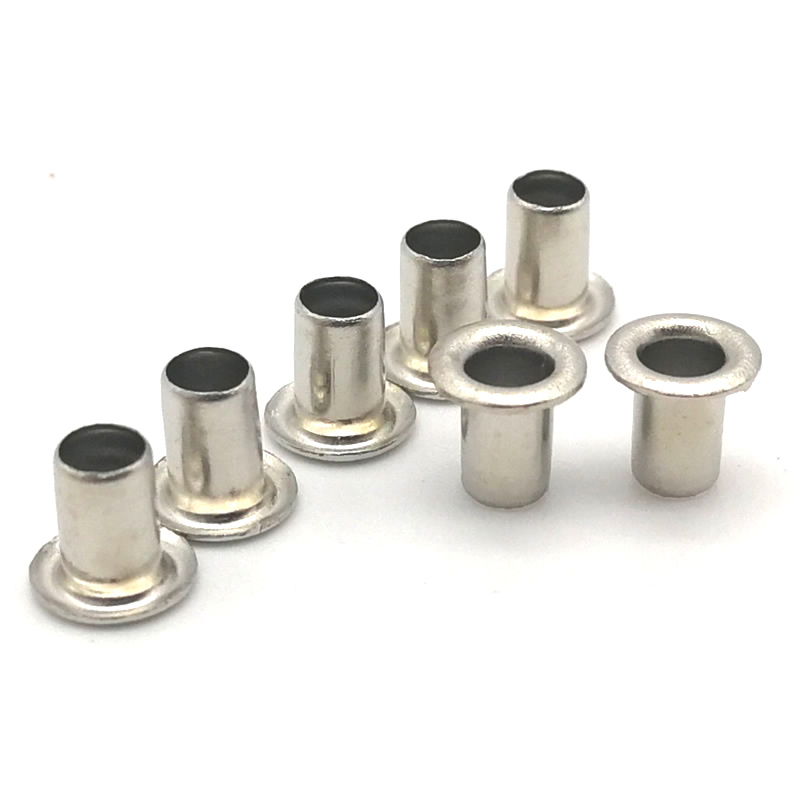
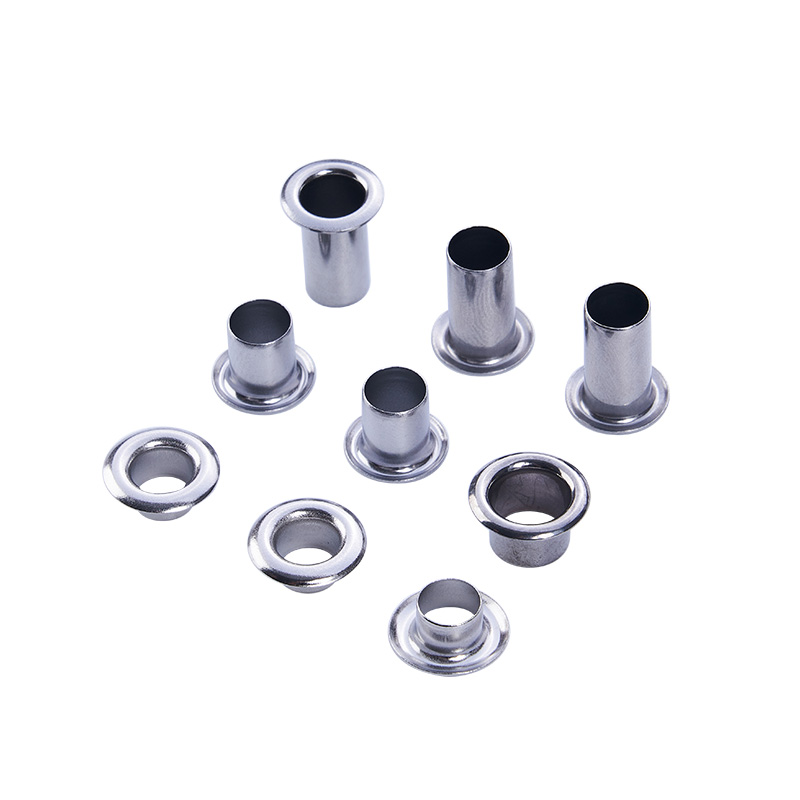
Ilhós Galvanizados
A Nuote Metals apresenta ilhós galvanizados, elaborados para reforço duradouro em lonas, sinalização e projetos DIY. Sua resistência superior à corrosão garante um acabamento seguro e profissional em que você pode confiar. Projetados para instalação rápida, eles economizam tempo e oferecem resistência confiável. Ideais para criadores e construtores que buscam qualidade, esses ilhós proporcionam tranquilidade duradoura em cada uso.
consulte Mais informaçãoEnviar consulta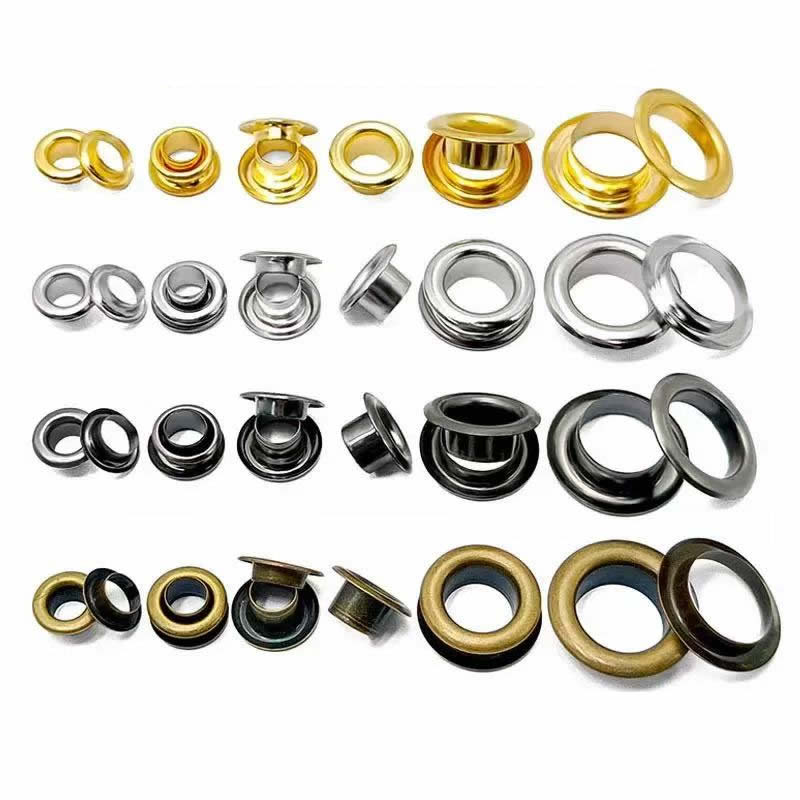
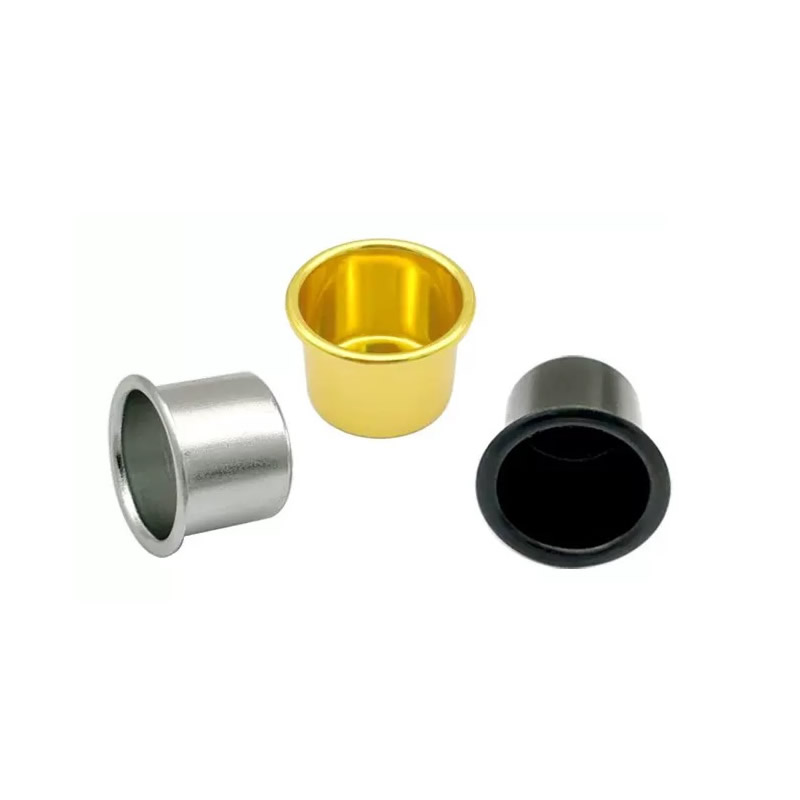
Ilhós de metal para papel
Nossa oficina está localizada em Dongguan, produzimos ilhós de metal elegantes para papel. Esses pequenos anéis de metal são projetados para materiais de papel. Fabricamos ilhós metálicos para papel em acabamentos brilhantes, como prata, dourado e preto. São finos e leves para não danificar o papel. Produzimos vários tamanhos de ilhós metálicos para papel, desde muito pequenos até cerca de um centímetro de largura. Cada ilhó de metal para papel é verificado para garantir bordas lisas. Muitas empresas de papelaria usam nossos ilhós de metal para papel porque parecem limpos e funcionam bem. Podemos enviar amostras rapidamente para teste.
consulte Mais informaçãoEnviar consulta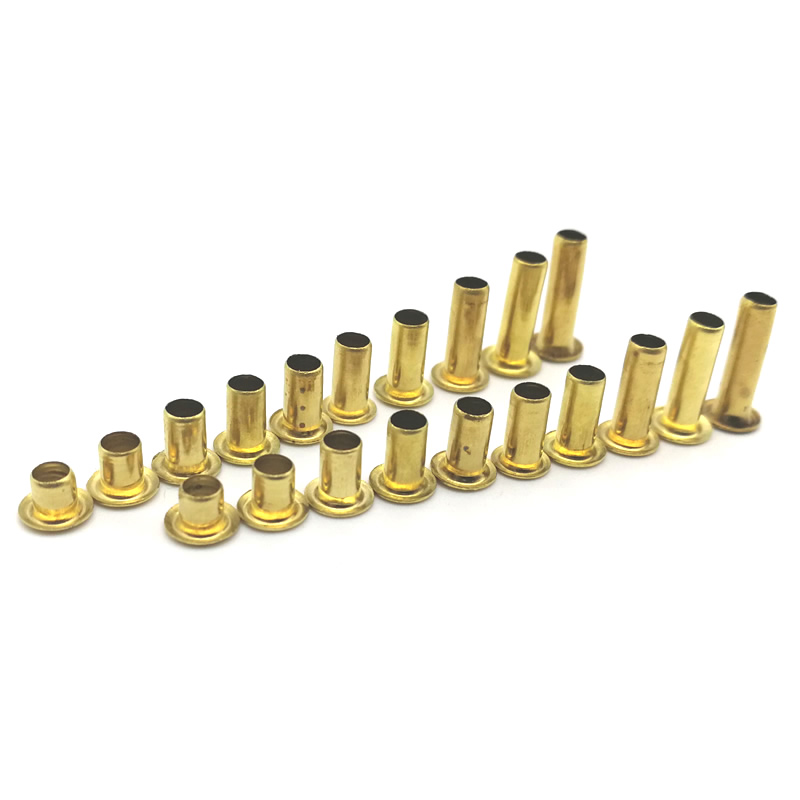
Ilhós de latão pequenos
A Nuote Metals em Dongguan fabrica pequenos ilhós de latão para clientes que precisam deles. Estes são pequenos anéis de metal feitos de latão. O latão é um bom material – tem uma boa aparência, não enferruja e tem uma boa durabilidade. Fabricamos pequenos ilhós de latão em diferentes tamanhos, alguns com apenas alguns milímetros de diâmetro. Cada lote de pequenos ilhós de latão é verificado quanto a bordas lisas e formato uniforme. As pessoas nos procuram quando precisam de pequenos ilhós de latão para seus produtos. Podemos fazer amostras primeiro para que você possa ver como elas ficam e se ajustam.
consulte Mais informaçãoEnviar consultaQuais são as principais aplicações dos ilhós?
Os rebites com ilhó são amplamente utilizados nas indústrias de construção, automotiva, marítima, aviação e eletrônica.
Na indústria da construção, os rebites com ilhó são usados para conectar vários componentes metálicos, como vigas e colunas de aço.
Nas indústrias automotiva, naval e de aviação, os rebites com ilhó são usados para conectar vários materiais, como ligas de alumínio e ligas de titânio.
Na indústria eletrônica, os rebites com ilhó são usados para conectar vários materiais metálicos e não metálicos, como placas de metal e folhas de plástico.
Quais ferramentas são usadas para rebitar ilhós?
Os rebites com ilhó podem ser rebitados usando um alicate de rebitagem manual ou elétrico. Alicates de rebitagem manuais são uma ferramenta comum e geralmente adequados para rebitar pequenos ilhós. Os alicates de rebitagem elétricos são adequados para rebitar ilhós grandes e grandes quantidades.
Que preparativos são necessários antes da rebitagem?
A preparação antes da rebitagem inclui a limpeza da superfície do material a ser rebitado e a seleção do diâmetro apropriado do furo do rebite. A limpeza da superfície do material a ser rebitado remove a sujeira e a graxa da superfície, garantindo uma junta segura. A seleção do diâmetro apropriado do furo do rebite pode evitar rachaduras ou afrouxamento durante a rebitagem.
Que cuidados devem ser tomados ao rebitar?
1. A posição de instalação do rebite com ilhó deve coincidir com a linha central do furo do rebite.
2. A haste dos ilhós deve ser perpendicular à superfície do material que está sendo rebitado durante a rebitagem.
3. A cabeça do ilhó deve permanecer horizontalmente estável.
4. A profundidade do furo do ilhó deve ser igual à soma do comprimento da haste do rebite e do comprimento da parte de rebitagem de pressão do ilhó.
5. A força de rebitagem deve ser adequada, nem muito alta nem muito baixa, dependendo da espessura e das propriedades do material.
6. Após a rebitagem, a qualidade dos ilhós deve ser inspecionada quanto a sinais de ilhós quebrados ou corpos estranhos.
Conclusão
Os rebites de ilhó são fixadores de rebites versáteis que podem ser amplamente utilizados para conectar várias chapas de metal e materiais diferentes. É necessária uma preparação completa antes da rebitagem, incluindo a seleção do diâmetro apropriado do furo do rebite e a limpeza da superfície do material a ser rebitado. Durante a rebitagem, fatores como a força de rebitagem e a profundidade do furo devem ser cuidadosamente considerados para garantir uma conexão de alta qualidade.



X
Utilizamos cookies para lhe oferecer uma melhor experiência de navegação, analisar o tráfego do site e personalizar o conteúdo. Ao utilizar este site, você concorda com o uso de cookies.
política de Privacidade