Rebites
Produtos
- View as
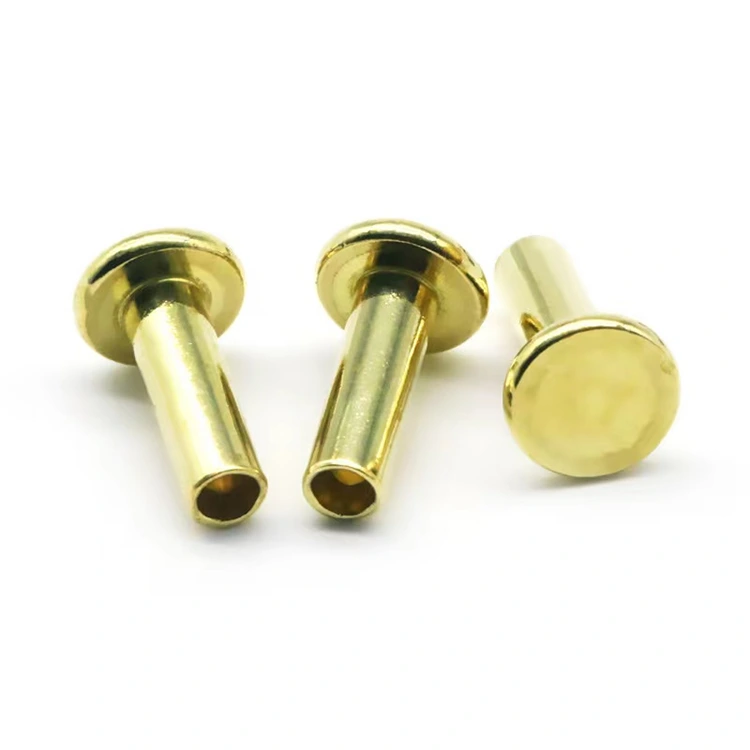
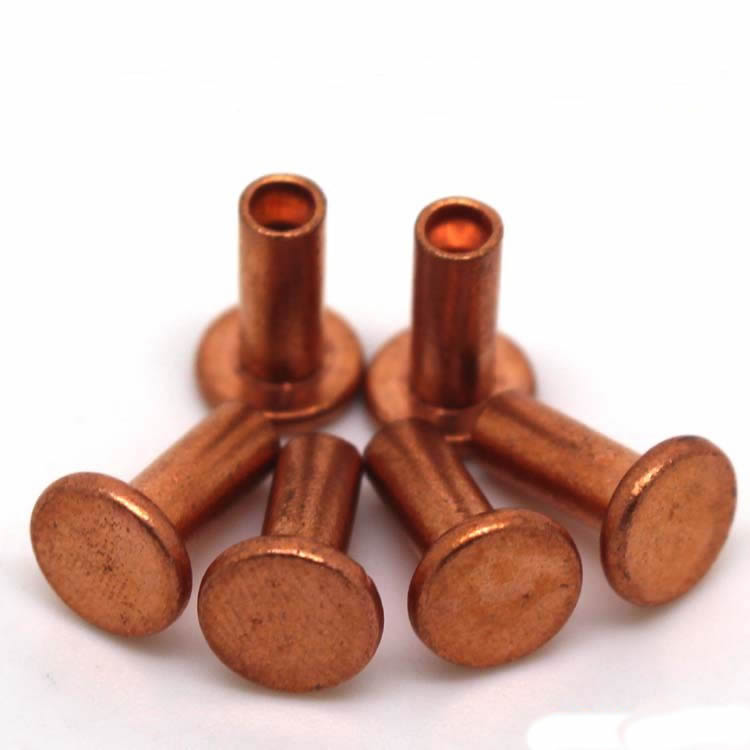
Rebites meio tubulares de latão
A Nuote Metals fornece rebites semi-tubulares de latão – fixadores com uma cavidade rasa na cauda que reduz a força de fixação em até 70% em comparação com rebites sólidos. Também comumente chamados de rebites semitubulares, rebites meio ocos ou rebites de extremidade oca. Feito de latão C2680, disponível em diâmetros de haste de 0,8–8,0 mm, seis estilos de cabeçote e vários acabamentos.
consulte Mais informaçãoEnviar consulta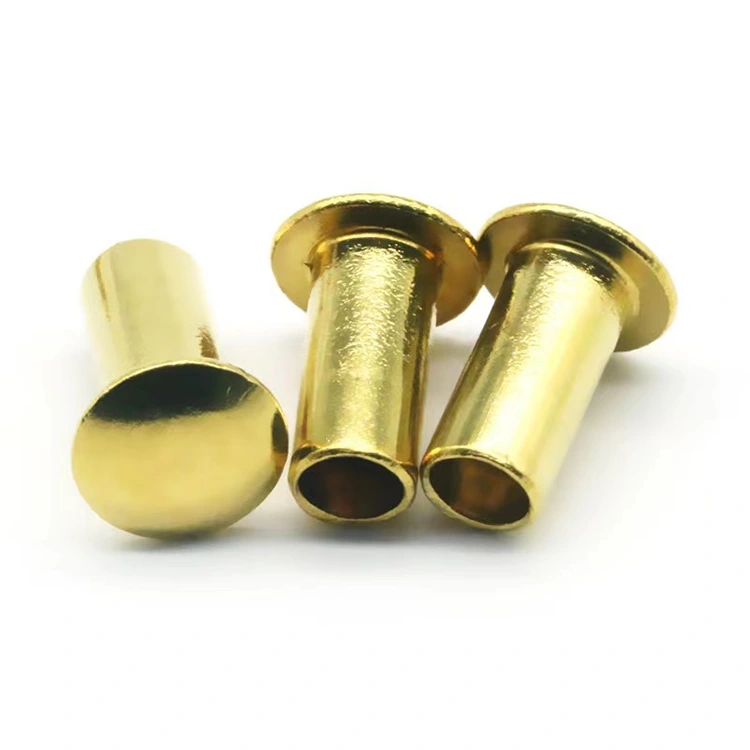
Rebites meio ocos de latão
A Nuote Metals é especializada na produção de rebites meio ocos de latão. Nossa empresa está localizada em Dongguan, China, uma cidade com clima quente e um setor industrial próspero. Os rebites meio ocos de latão são amplamente utilizados na fabricação industrial e na vida cotidiana. Fabricados em latão, possuem características estruturais e funcionais específicas. Esses rebites são peças importantes em inúmeras indústrias. Ao longo dos anos, o seu design e a forma como são fabricados foram aperfeiçoados, transformando-os numa peça obrigatória para muitos produtos.
consulte Mais informaçãoEnviar consulta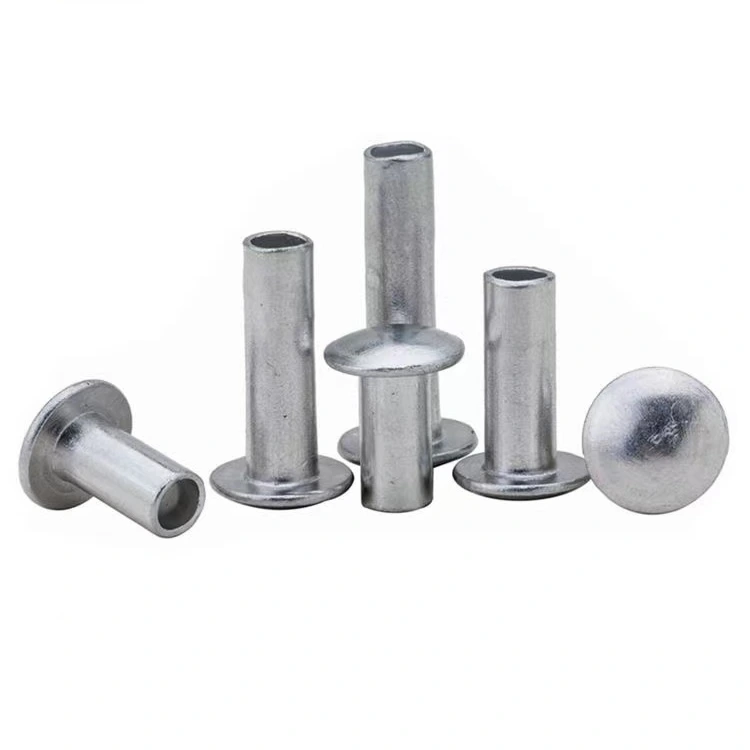
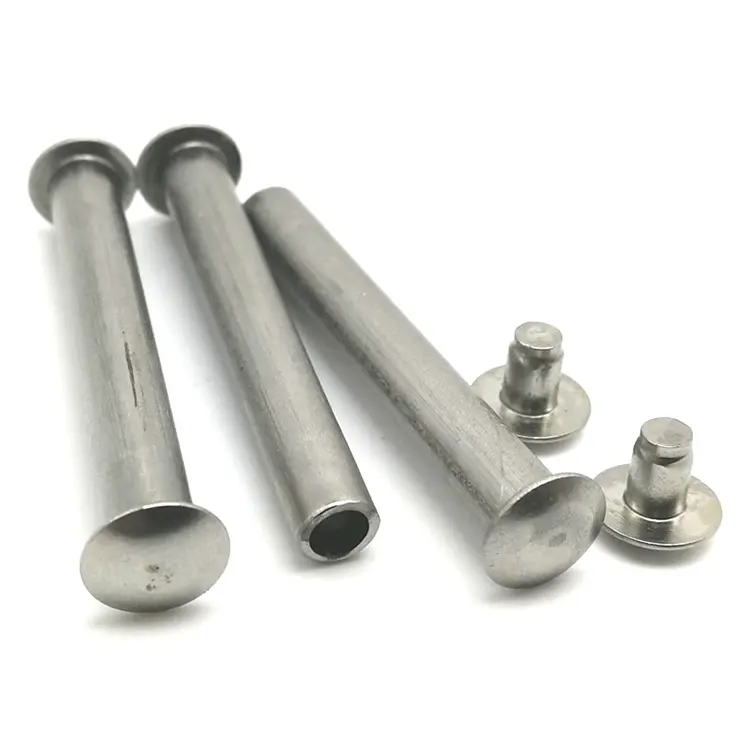
Rebites semi-ocos de alumínio
Os rebites semi-ocos de alumínio são basicamente fixadores feitos de liga de alumínio. Eles têm uma cabeça sólida e uma cauda parcialmente oca. Quando você os instala com uma ferramenta especial, essa seção oca se alarga e se curva para trás, criando uma junta realmente forte e travada. Por serem de alumínio, são naturalmente leves e não enferrujam facilmente, o que é uma grande vantagem quando você está preocupado com o peso ou ao usá-los em ambientes difíceis. Quando você os compara com rebites feitos de outros materiais, eles realmente atingem um ponto ideal entre serem acessíveis e ter um bom desempenho.
consulte Mais informaçãoEnviar consulta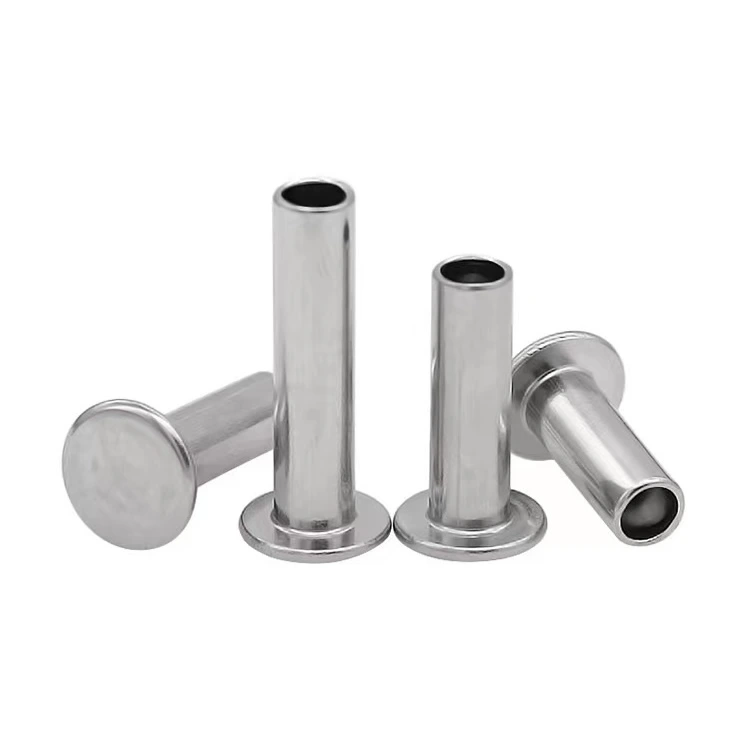
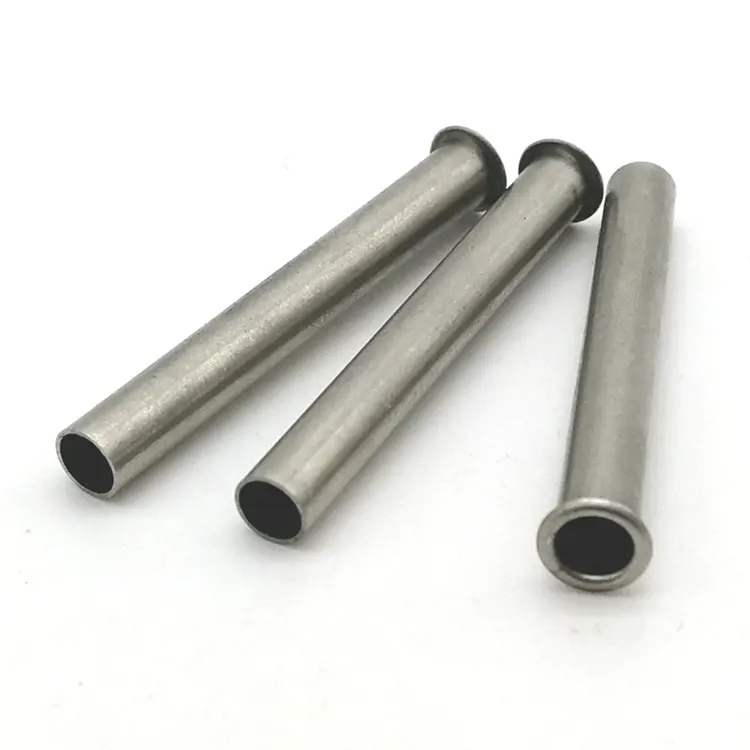
Rebites meio tubulares de alumínio
Somos a Nuote Metals, um fabricante de rebites com sede em Dongguan, China, e enviamos nossos rebites para todo o mundo. Os rebites semi-tubulares de alumínio são um tipo muito comum de fixador mecânico usado em diversas indústrias. Eles têm uma cabeça sólida e uma cauda oca, o que proporciona uma conexão rápida e sólida quando você os rebita no lugar. Esses rebites geralmente são feitos de liga de alumínio, por isso são leves e não enferrujam facilmente.
consulte Mais informaçãoEnviar consulta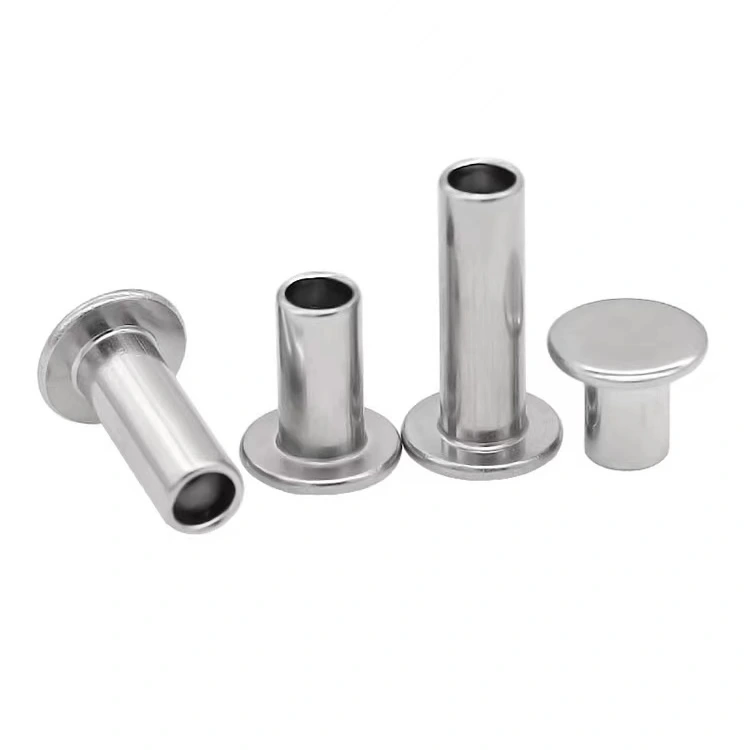
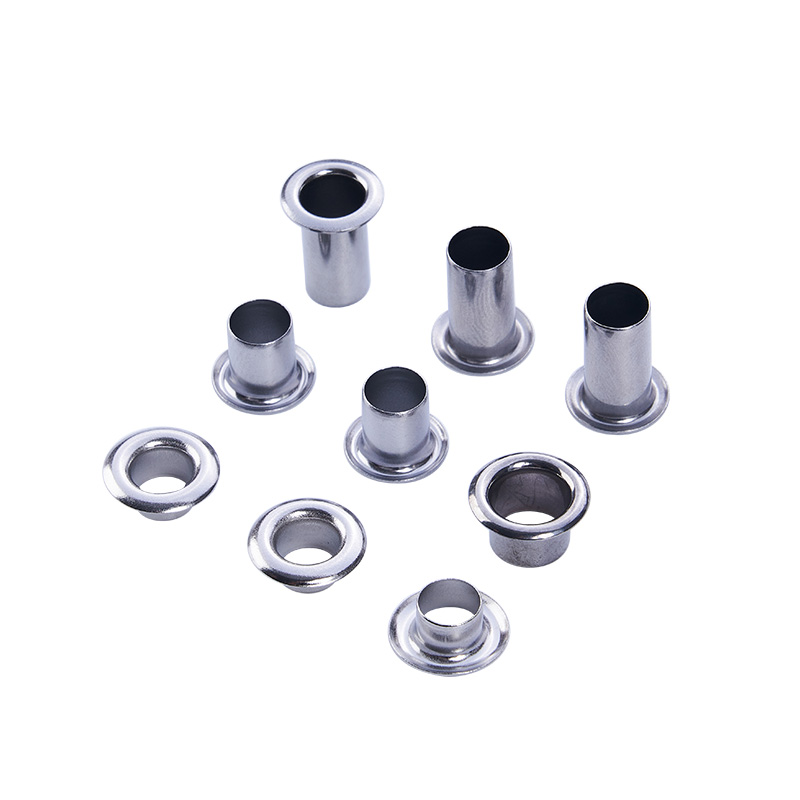
Rebites Semi Tubulares
Somos Nuote Metals em Dongguan. Nossa loja fabrica rebites semitubulares para diversos usos. Esses rebites parecem pequenos pinos de metal com um furo no meio do eixo. Os rebites semi-tubulares são mais fáceis de instalar do que os rebites sólidos porque não precisam de tanta força. Nós os fabricamos em aço, latão, alumínio ou aço inoxidável. Cada lote de rebites semitubulares é verificado quanto ao tamanho e acabamento. Os clientes encomendam nossos rebites semi-tubulares quando precisam de fixadores fortes que sejam instalados rapidamente. Podemos fornecer amostras para que você possa testá-las primeiro.
consulte Mais informaçãoEnviar consulta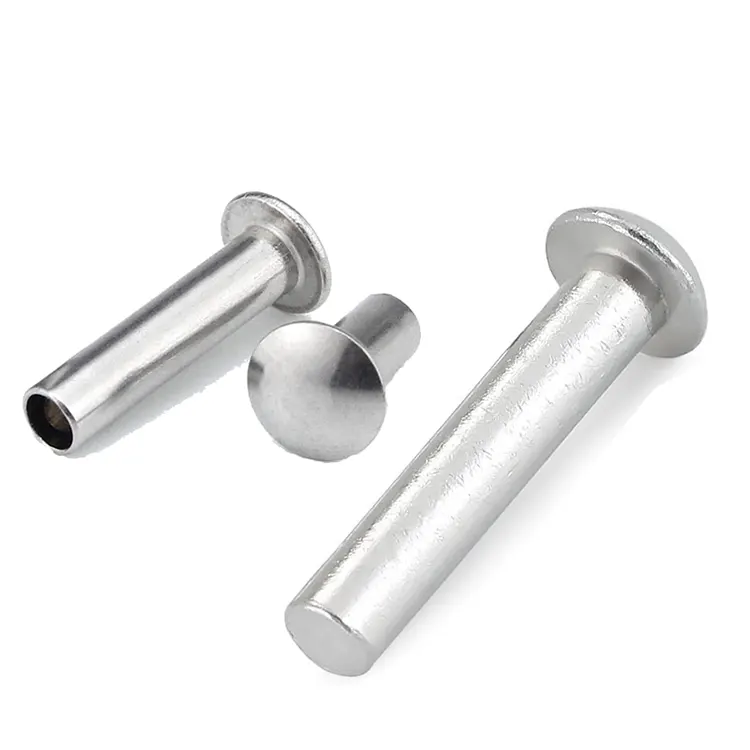
Rebites de cabeça universal
A Nuote Metals é uma fabricante chinesa de rebites de cabeça universal em designs sólidos e semitubulares – apresentando uma cabeça de perfil médio que oferece mais área de apoio do que uma cabeça redonda e um perfil mais baixo do que uma cabeça de treliça. Disponível em diâmetros de haste de 1,5 a 8,0 mm, cinco famílias de materiais e comprimentos personalizados. Qualidade certificada pela ISO, rastreabilidade total e amostras grátis disponíveis – entre em contato conosco para começar.
consulte Mais informaçãoEnviar consultaQuais são as vantagens dos rebites sobre outros fixadores?
1. Facilidade de instalação
Os rebites são rápidos de instalar e até mesmo totalmente automatizados para aplicações de alto volume, resultando em um processo de operação simples e eficiente.
2. Confiabilidade da conexão
O processo de rebitagem é padronizado, com rigoroso controle de qualidade, resultando em conexões altamente estáveis. A inspeção visual permite a verificação rápida da qualidade da conexão.
3. Vibração e resistência ao impacto
Os rebites se conectam por meio de deformação ou ajuste por interferência, proporcionando forte força de fixação e excelente resistência à vibração, capaz de suportar vibrações e choques.
4. Baixo custo
Os rebites são fáceis de instalar e podem ser totalmente automatizados, economizando custos de mão-de-obra significativos.
Quais são as vantagens e desvantagens dos rebites feitos de diferentes materiais?
Rebites de alumínio
Vantagens: Leve, reduz o peso geral do produto, baixo custo, adequado para aplicações civis em geral.
Desvantagens: Baixa resistência à tração e ao cisalhamento, inadequada para peças de alta resistência, propensa à corrosão eletroquímica quando em contato com metais como aço inoxidável.
Rebites de aço inoxidável
Vantagens: Forte resistência à corrosão, alta dureza, adequada para peças de alta resistência (como equipamentos marítimos)
Desvantagens: Custo mais elevado, normalmente mais caro que rebites de alumínio da mesma especificação.
Rebites de latão e cobre
Vantagens: Excelente condutividade (como conexão de componentes eletrônicos), boa resistência à corrosão.
Desvantagens: Custo mais elevado, mais difícil de processar.
Rebites de aço
Vantagens: Alta dureza, alta confiabilidade de conexão e ampla aplicabilidade.
Desvantagens: Em comparação com outros materiais, os rebites de ferro são mais propensos a enferrujar.
Quais são as principais aplicações dos rebites?
Os rebites têm uma ampla gama de utilizações, desde itens pequenos, como uma tesoura, até itens grandes, como aviões e navios, bem como em aplicações médicas de alta precisão.
Fabricação Industrial
Os rebites são utilizados em uma ampla variedade de campos industriais, sempre que houver necessidade de conectar dois ou mais materiais.
Eletrônica
Os rebites protegem dissipadores de calor e chips, proporcionando amortecimento de vibrações e redução de ruído, e são amplamente utilizados em sistemas de refrigeração de produtos eletrônicos, como computadores e telefones celulares.
Automotivo
Os rebites são amplamente utilizados para conectar componentes de carrocerias e chassis de automóveis, como portas e capôs. Suas propriedades leves e resistentes à corrosão os tornam um método de união indispensável na fabricação automotiva.
Aeroespacial
Na fabricação de aeronaves, rebites são usados para conectar diferentes componentes da fuselagem, como asas e cauda. Milhões de rebites criam juntas de alta resistência e resistentes à corrosão. Rebites de liga de alumínio e titânio são frequentemente usados para conectar componentes de materiais correspondentes, garantindo estabilidade em ambientes extremos.
Os rebites são usados em todos os lugares. Os exemplos acima representam apenas um pequeno número de suas aplicações. Vemos rebites em todos os lugares do nosso dia a dia, como em tesouras, camas dobráveis, carrinhos de bebê, etc. Os rebites podem ser personalizados em diferentes tamanhos e materiais, dependendo da aplicação.
A Nuote Metals é especializada na indústria de rebites há mais de uma década. Nossa fábrica está localizada em Dongguan, uma cidade conhecida como "Fábrica Mundial", uma cidade com uma indústria desenvolvida e transporte conveniente. Isso nos permite responder rapidamente na aquisição de matérias-primas e no suporte aos tratamentos de superfície, atendendo às necessidades de nossos clientes de acesso rápido a amostras e pedidos em grandes quantidades. Produzimos 10 milhões de rebites diariamente e temos moldes de diversas especificações, o que nos permite produzir rebites tão pequenos quanto 0,8 mm e tão grandes quanto 10 mm. Congratulamo-nos com suas dúvidas e visitas.



X
Utilizamos cookies para lhe oferecer uma melhor experiência de navegação, analisar o tráfego do site e personalizar o conteúdo. Ao utilizar este site, você concorda com o uso de cookies.
política de Privacidade