Rebites
Produtos
- View as
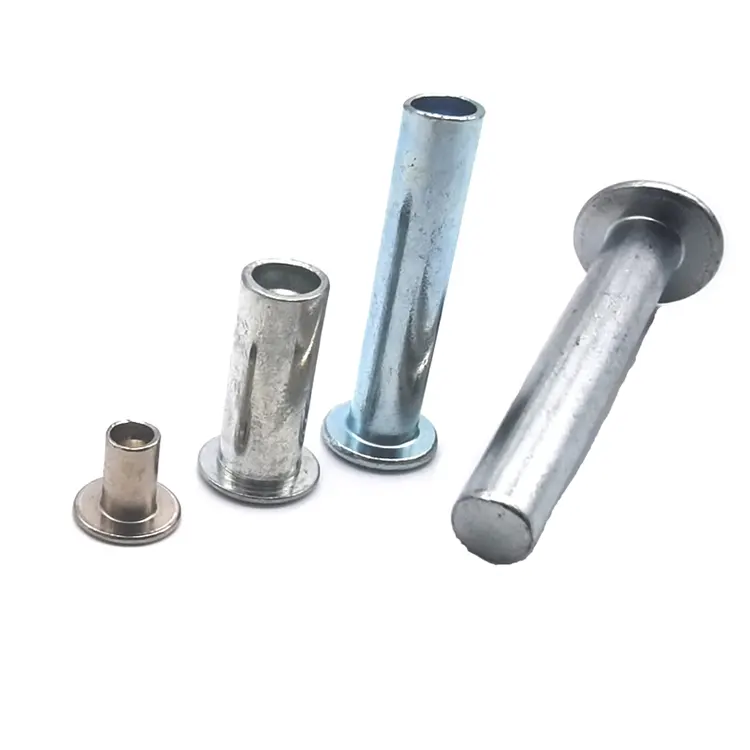
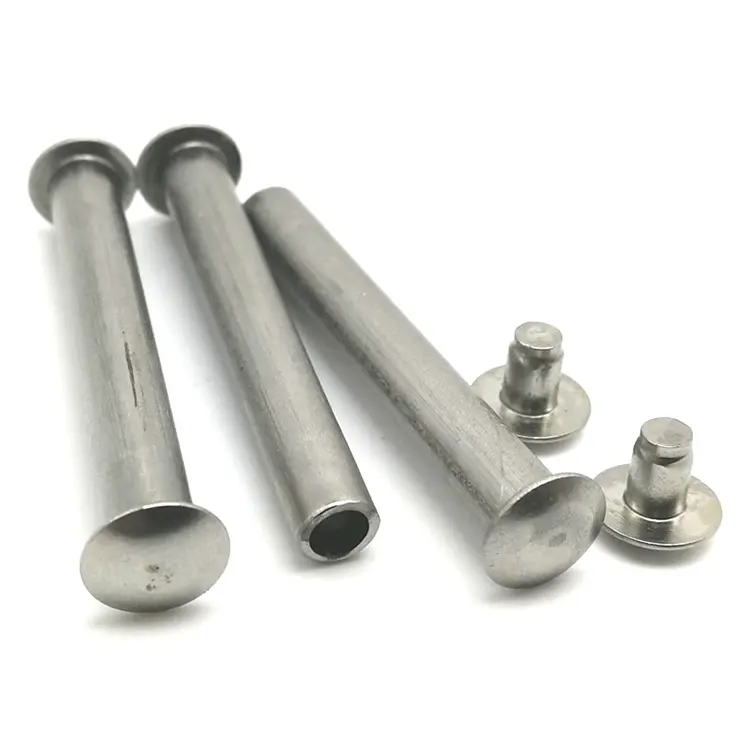
Rebites de Ferro
A Nuote Metals fabrica rebites de ferro em designs sólidos, semitubulares e totalmente tubulares – oferecendo a melhor combinação de resistência e economia em fixação industrial. Disponível em diâmetros de haste de 1,5–8,0 mm com revestimento de zinco ou acabamento em óxido preto.
consulte Mais informaçãoEnviar consulta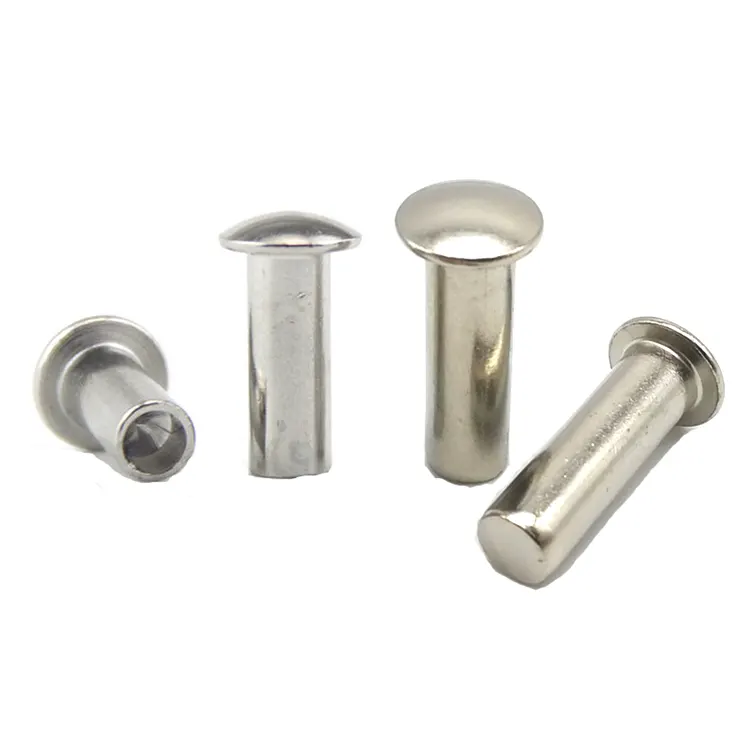
Rebites de cabeça de panela de ferro
Os rebites de cabeça panela de ferro, com suas características leves, resistentes à corrosão e esteticamente agradáveis, tornaram-se versáteis e versáteis na fabricação industrial. Seja em aplicações de peso crítico ou na vida cotidiana, os rebites de cabeça panela de ferro oferecem desempenho e confiabilidade excepcionais. Bem-vindo à Nuote Metals em Dongguan, China, especialista nestes rebites. Oferecemos produtos de alta qualidade com entrega garantida. Também fabricamos outros acessórios de hardware, como ilhós, peças usinadas e peças estampadas.
consulte Mais informaçãoEnviar consulta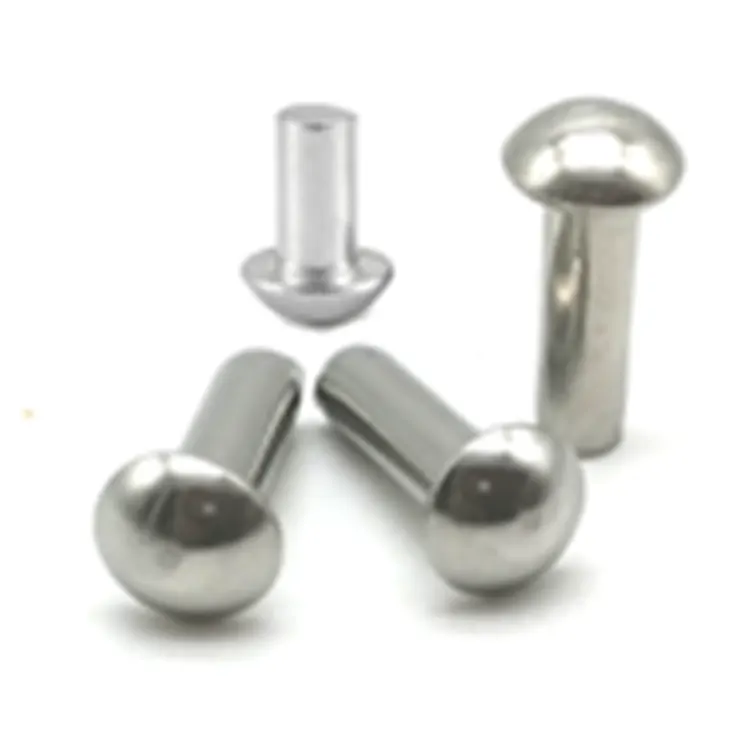
Rebites de cabeça de cogumelo de ferro
Nuote Metals é um fabricante profissional de rebites localizado em Dongguan, China. Nossos rebites de ferro com cabeça de cogumelo, como o nome sugere, apresentam uma cabeça em forma de cogumelo com núcleo semi-oco ou sólido. A cabeça é normalmente maior, proporcionando uma boa superfície de apoio. Esta estrutura permite a deformação durante a instalação, seja por extrusão ou ferramental especializado, para conectar com segurança dois ou mais materiais. Feitos de ferro, são normalmente galvanizados ou tratados com outros acabamentos para resistência à corrosão.
consulte Mais informaçãoEnviar consulta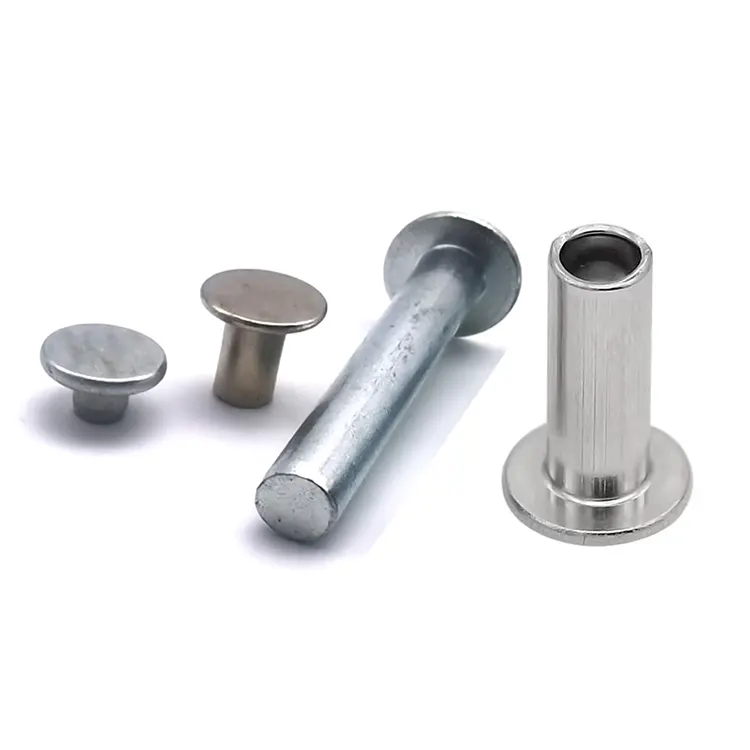
Rebites de cabeça chata de ferro
Como um conector mecânico comum, os rebites de cabeça plana de ferro ocupam uma posição importante em vários campos industriais devido às suas características de design e ampla gama de aplicações. Estruturalmente, a cabeça do rebite é plana, em forma de disco e o corpo é cilíndrico. A extremidade é especialmente processada para formar uma estrutura perturbada. Após a instalação, a pressão ou o impacto fazem com que o corpo se expanda, formando um engate mecânico com a parede do furo para obter um efeito de aperto. Comparado aos rebites de cabeça redonda ou rebites de cabeça escareada, o design de cabeça plana tem vantagens significativas na distribuição de força e na área de contato. Por exemplo, quando sujeito a força de cisalhamento, sua cabeça em forma de disco pode dispersar a carga para uma área maior, reduzindo efetivamente a pressão por unidade de área.
consulte Mais informaçãoEnviar consulta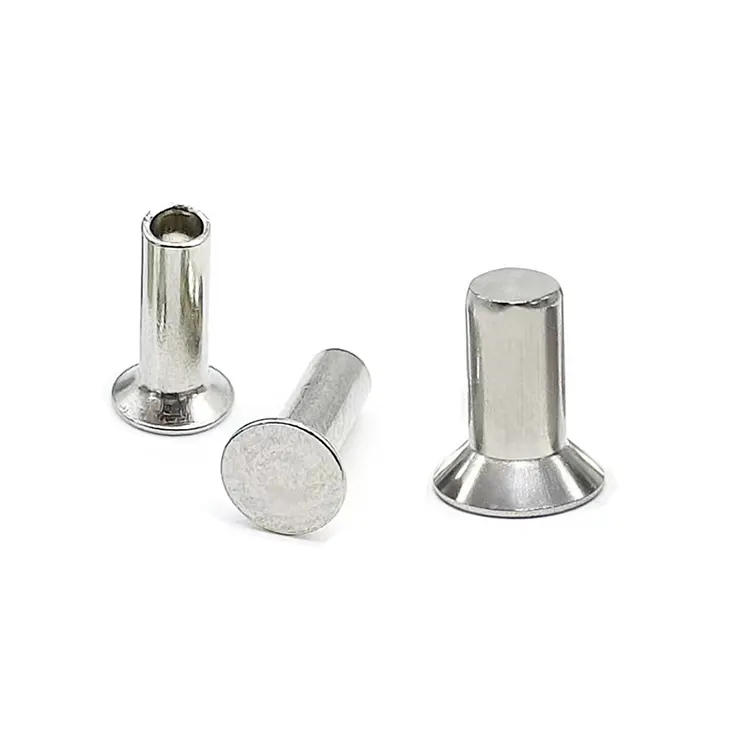
Rebites de cabeça escareada de ferro
A cabeça dos rebites escareados de ferro tem o formato de um cone truncado, com o cone normalmente inclinado em 90° ou 120° em relação ao eixo do rebite. Este formato permite que a cabeça do rebite fique nivelada com a superfície do componente conectado após a instalação, resultando em uma aparência lisa. Isto é particularmente adequado para aplicações onde o nivelamento da superfície é crítico. Venha para a Nuote Metals para personalizar o rebite de cabeça escareada de ferro desejado. Nossos engenheiros, com mais de 10 anos de experiência, estão profundamente familiarizados com a produção de diversos tipos de rebites.
consulte Mais informaçãoEnviar consulta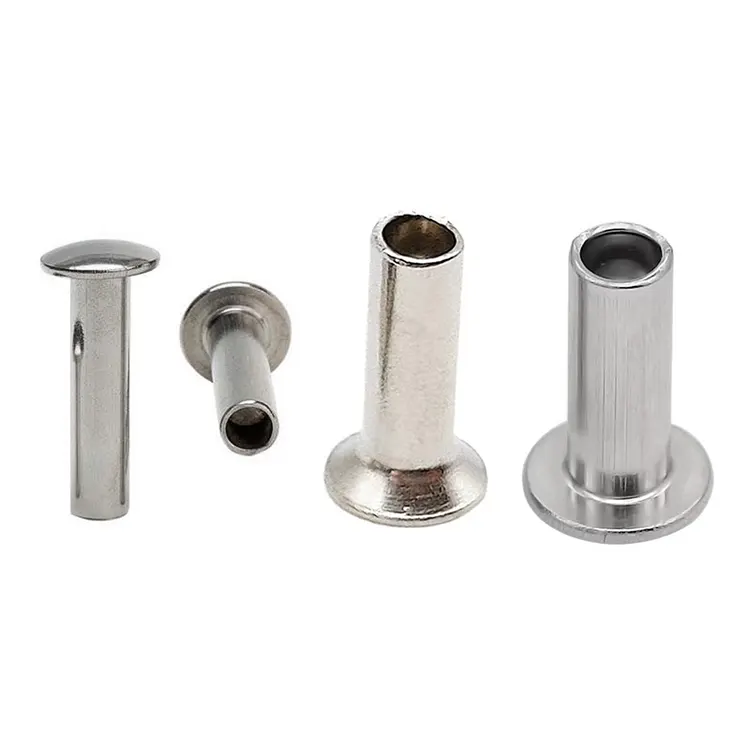
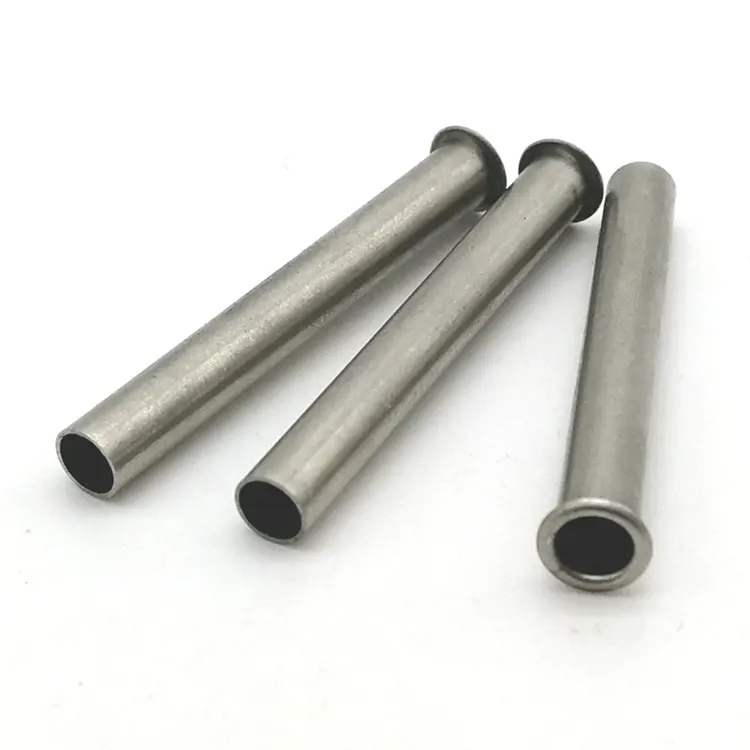
Rebites Meio Tubulares
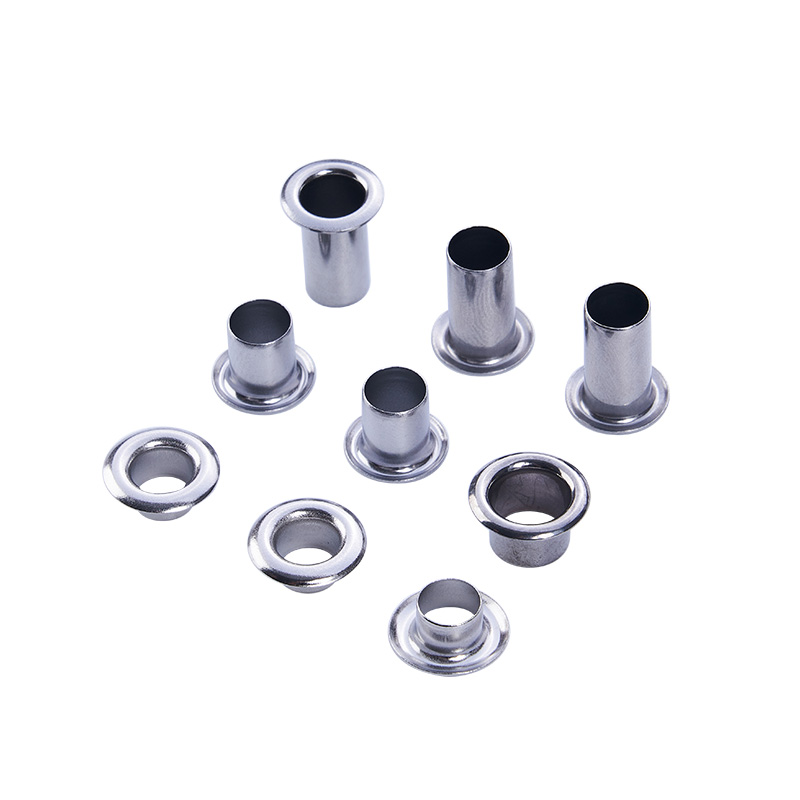
A Nuote Metals é um fabricante de rebites semi-tubulares com sede na China – a alternativa de fácil produção aos rebites sólidos que reduz a força de fixação em até 70%, mantendo de 80 a 90% da resistência do rebite sólido. Disponível em diâmetros de haste de 1,5 a 8,0 mm, cinco famílias de materiais, vários estilos de cabeçote e comprimentos personalizados. Qualidade certificada pela ISO, rastreabilidade total e amostras grátis disponíveis – entre em contato conosco para começar.
consulte Mais informaçãoEnviar consultaQuais são as vantagens dos rebites sobre outros fixadores?
1. Facilidade de instalação
Os rebites são rápidos de instalar e até mesmo totalmente automatizados para aplicações de alto volume, resultando em um processo de operação simples e eficiente.
2. Confiabilidade da conexão
O processo de rebitagem é padronizado, com rigoroso controle de qualidade, resultando em conexões altamente estáveis. A inspeção visual permite a verificação rápida da qualidade da conexão.
3. Vibração e resistência ao impacto
Os rebites se conectam por meio de deformação ou ajuste por interferência, proporcionando forte força de fixação e excelente resistência à vibração, capaz de suportar vibrações e choques.
4. Baixo custo
Os rebites são fáceis de instalar e podem ser totalmente automatizados, economizando custos de mão-de-obra significativos.
Quais são as vantagens e desvantagens dos rebites feitos de diferentes materiais?
Rebites de alumínio
Vantagens: Leve, reduz o peso geral do produto, baixo custo, adequado para aplicações civis em geral.
Desvantagens: Baixa resistência à tração e ao cisalhamento, inadequada para peças de alta resistência, propensa à corrosão eletroquímica quando em contato com metais como aço inoxidável.
Rebites de aço inoxidável
Vantagens: Forte resistência à corrosão, alta dureza, adequada para peças de alta resistência (como equipamentos marítimos)
Desvantagens: Custo mais elevado, normalmente mais caro que rebites de alumínio da mesma especificação.
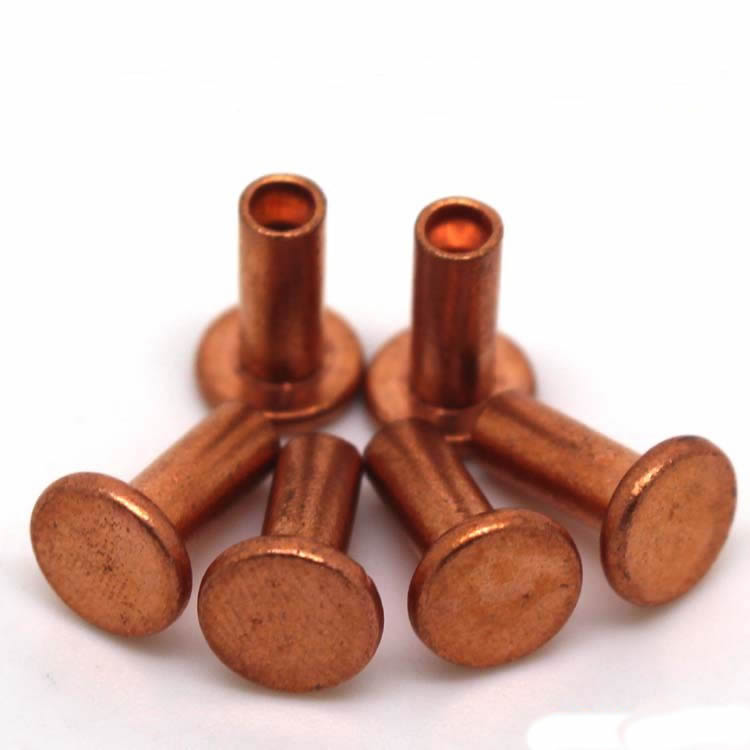
Rebites de latão e cobre
Vantagens: Excelente condutividade (como conexão de componentes eletrônicos), boa resistência à corrosão.
Desvantagens: Custo mais elevado, mais difícil de processar.
Rebites de aço
Vantagens: Alta dureza, alta confiabilidade de conexão e ampla aplicabilidade.
Desvantagens: Em comparação com outros materiais, os rebites de ferro são mais propensos a enferrujar.
Quais são as principais aplicações dos rebites?
Os rebites têm uma ampla gama de utilizações, desde itens pequenos, como uma tesoura, até itens grandes, como aviões e navios, bem como em aplicações médicas de alta precisão.
Fabricação Industrial
Os rebites são utilizados em uma ampla variedade de campos industriais, sempre que houver necessidade de conectar dois ou mais materiais.
Eletrônica
Os rebites protegem dissipadores de calor e chips, proporcionando amortecimento de vibrações e redução de ruído, e são amplamente utilizados em sistemas de refrigeração de produtos eletrônicos, como computadores e telefones celulares.
Automotivo
Os rebites são amplamente utilizados para conectar componentes de carrocerias e chassis de automóveis, como portas e capôs. Suas propriedades leves e resistentes à corrosão os tornam um método de união indispensável na fabricação automotiva.
Aeroespacial
Na fabricação de aeronaves, rebites são usados para conectar diferentes componentes da fuselagem, como asas e cauda. Milhões de rebites criam juntas de alta resistência e resistentes à corrosão. Rebites de liga de alumínio e titânio são frequentemente usados para conectar componentes de materiais correspondentes, garantindo estabilidade em ambientes extremos.
Os rebites são usados em todos os lugares. Os exemplos acima representam apenas um pequeno número de suas aplicações. Vemos rebites em todos os lugares do nosso dia a dia, como em tesouras, camas dobráveis, carrinhos de bebê, etc. Os rebites podem ser personalizados em diferentes tamanhos e materiais, dependendo da aplicação.
A Nuote Metals é especializada na indústria de rebites há mais de uma década. Nossa fábrica está localizada em Dongguan, uma cidade conhecida como "Fábrica Mundial", uma cidade com uma indústria desenvolvida e transporte conveniente. Isso nos permite responder rapidamente na aquisição de matérias-primas e no suporte aos tratamentos de superfície, atendendo às necessidades de nossos clientes de acesso rápido a amostras e pedidos em grandes quantidades. Produzimos 10 milhões de rebites diariamente e temos moldes de diversas especificações, o que nos permite produzir rebites tão pequenos quanto 0,8 mm e tão grandes quanto 10 mm. Congratulamo-nos com suas dúvidas e visitas.



X
Utilizamos cookies para lhe oferecer uma melhor experiência de navegação, analisar o tráfego do site e personalizar o conteúdo. Ao utilizar este site, você concorda com o uso de cookies.
política de Privacidade