Rebites Especiais
Produtos
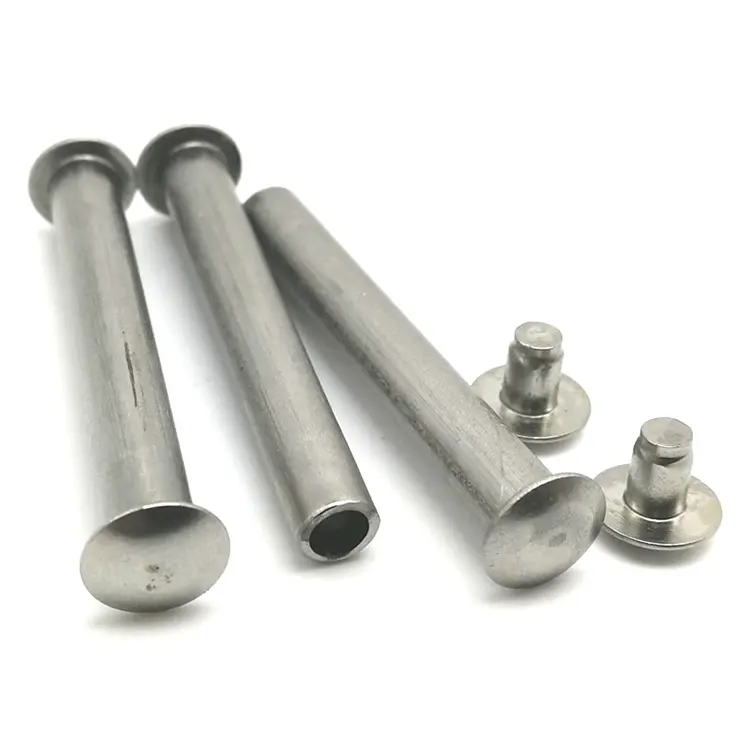
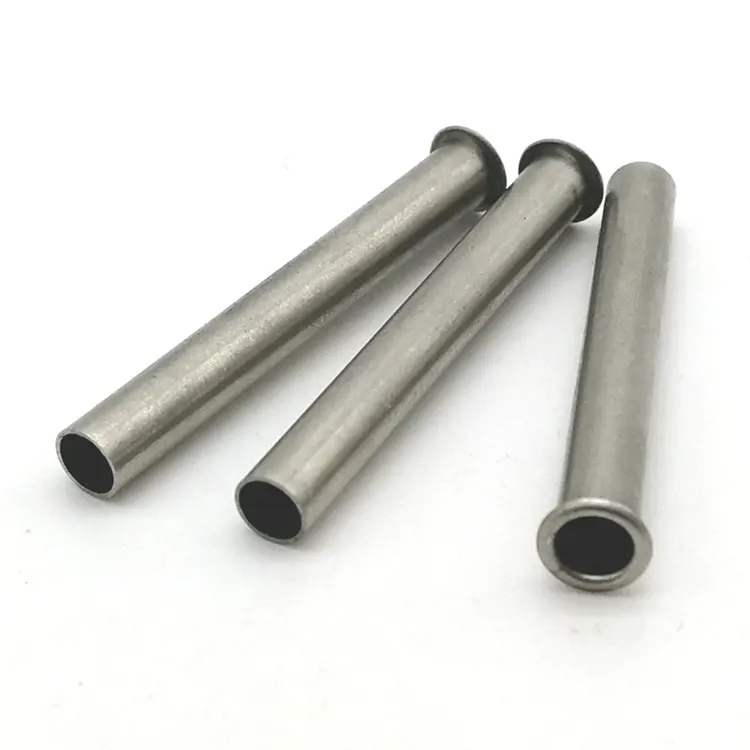
- View as
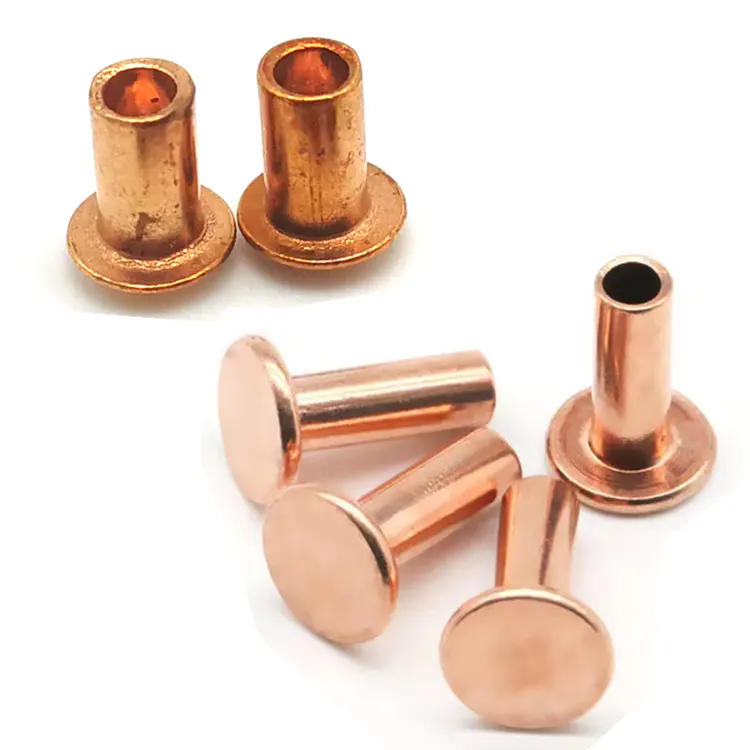
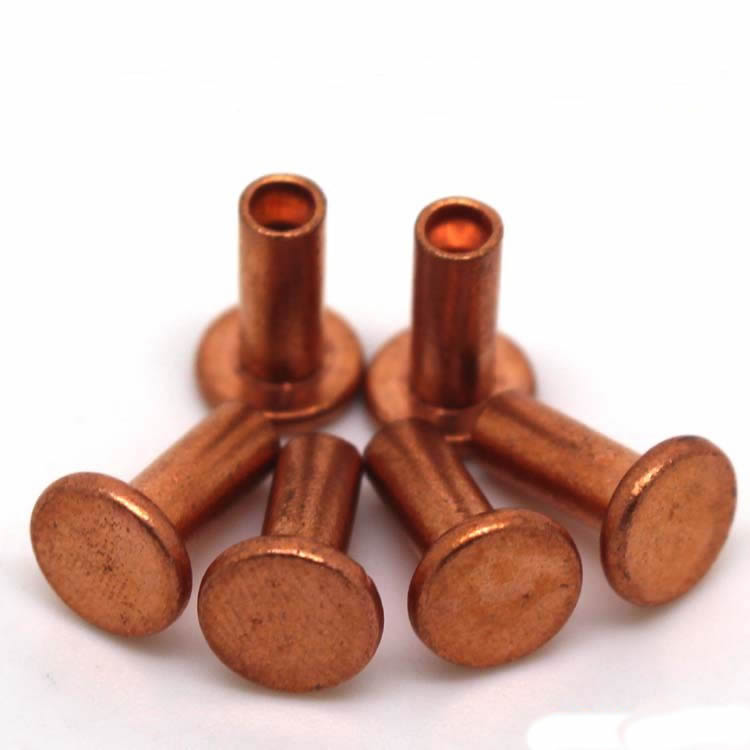
Rebites de cobre
Nuote Metals é um fabricante profissional de rebites localizado em Dongguan, China. Os rebites de cobre que fabricamos são feitos de cobre C1100. Os rebites de cobre são um fixador comumente usado. O cobre possui excelente condutividade térmica, o que o torna amplamente utilizado em aplicações elétricas e de dissipação de calor. Além disso, os rebites de cobre oferecem excelente usinabilidade e plasticidade, permitindo que sejam produzidos em diversos formatos e tamanhos.
consulte Mais informaçãoEnviar consulta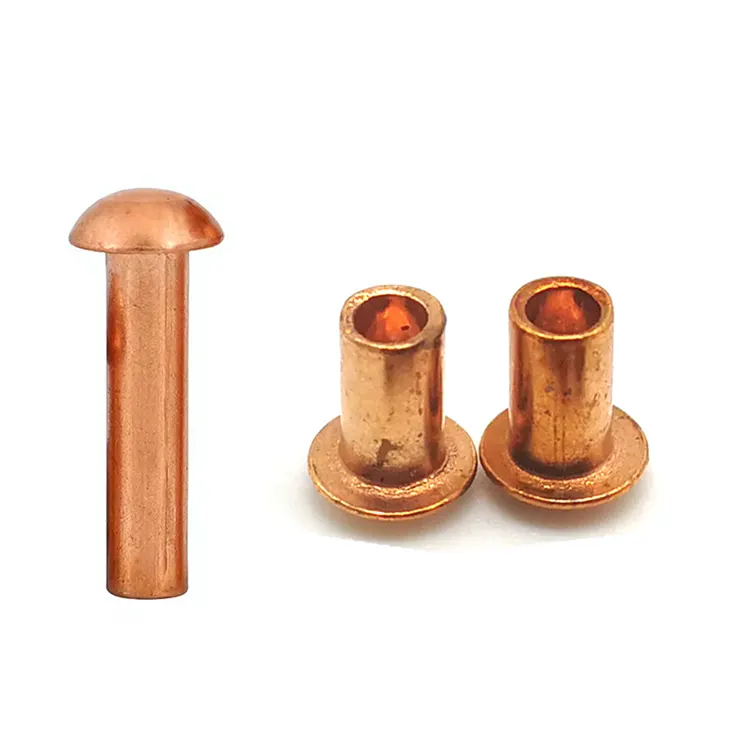
Rebites de cabeça panela de cobre
Os rebites de cabeça panela de cobre são de alta pureza e oferecem excelente condutividade, tornando-os adequados para aplicações que exigem alta condutividade. A Nuote Metals é especializada na produção de rebites de cabeça panela de cobre. Usamos classes com alto teor de cobre, como C1100, mas também podemos produzir classes personalizadas. Nossos rebites de cobre passam por um tratamento de superfície especial para resistir à oxidação e resistir a um teste de névoa salina de 48 horas.
consulte Mais informaçãoEnviar consulta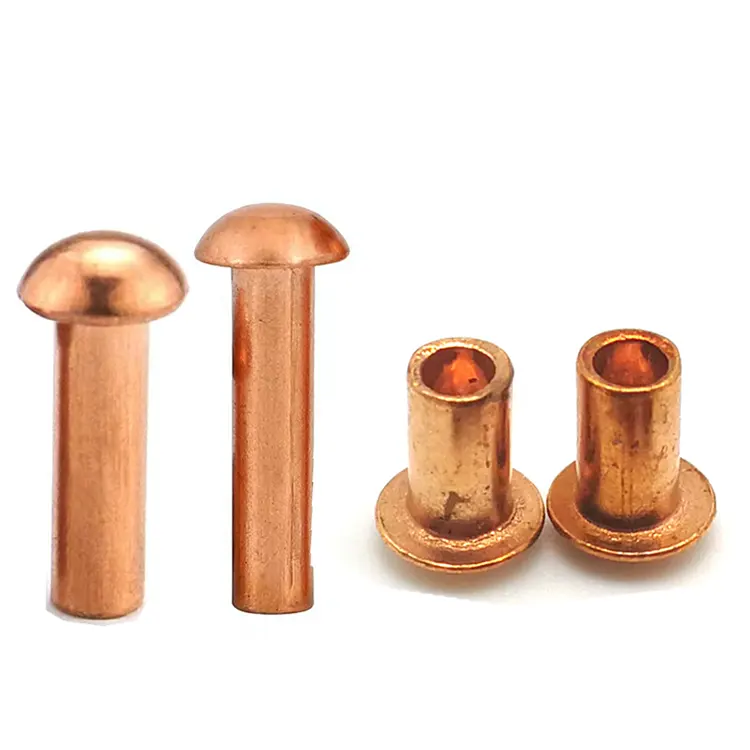
Rebites de cabeça de cogumelo de cobre
Os rebites de cobre com cabeça de cogumelo são componentes mecânicos usados para fixar dois ou mais materiais. Eles normalmente têm uma cabeça em forma de cogumelo e uma haste sólida ou semi-oca na outra extremidade. Durante a instalação, a outra extremidade é martelada ou golpeada com uma rebitadora especializada, fazendo com que ela se expanda e forme a outra cabeça, que então se encaixa no lugar. A Nuote Metals é especialista em rebites de cobre com cabeça de cogumelo. Oferecemos uma ampla gama de especificações de rebites e utilizamos mais de 40 máquinas de rebitagem de vários tamanhos para atender às necessidades do cliente.
consulte Mais informaçãoEnviar consulta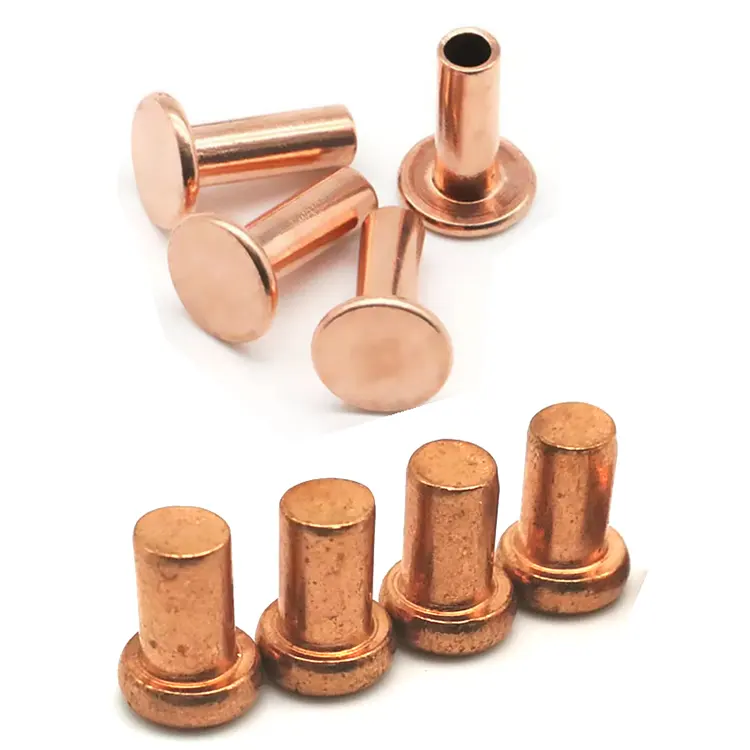
Rebites de cabeça chata de cobre
Nuote Metals, localizada em Dongguan, China, é um fabricante profissional de rebites. Nossos rebites são de alta qualidade e entrega garantida, o que lhes confere uma reputação favorável entre clientes nacionais e internacionais. Nossos rebites de cabeça plana de cobre são feitos de cobre de alta qualidade, oferecendo uma superfície lisa e delicada e uma sensação estável e firme. Seu design de cabeça chata não apenas aumenta a área de contato, mas também dispersa a pressão de maneira eficaz, garantindo uma conexão mais estável.
consulte Mais informaçãoEnviar consulta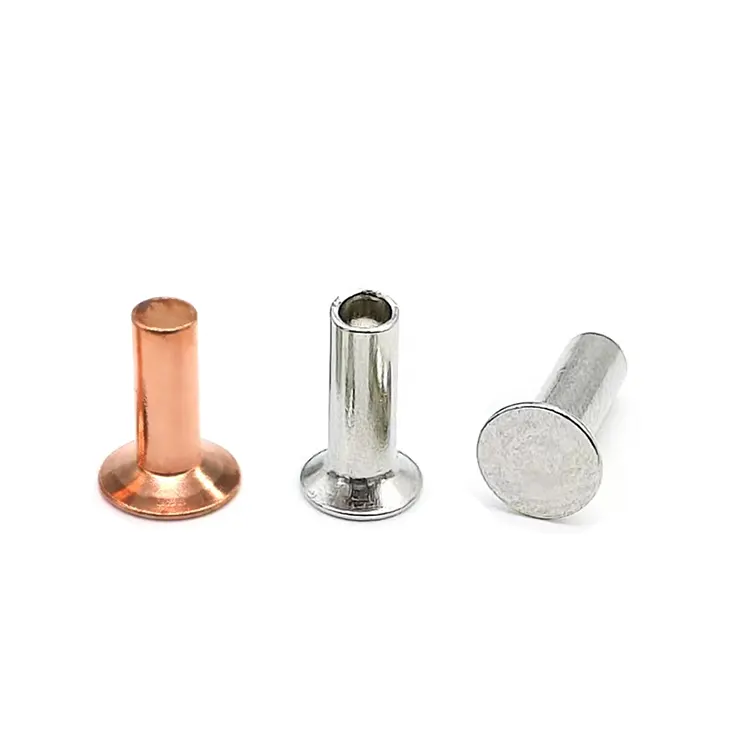
Rebites de cabeça escareada de cobre
Os rebites de cabeça escareada de cobre produzidos pela Nuote Metals na China são fixadores de metal comuns usados principalmente na fabricação de máquinas, equipamentos eletrônicos, montagem de móveis e outros campos industriais. Como material metálico tradicional, o cobre possui excelente condutividade elétrica e térmica e resistência à corrosão, o que o torna popular em aplicações específicas. Os rebites de cabeça escareada são fixadores fabricados através de processos de encabeçamento a frio ou forjamento a quente. Sua estrutura simples requer ferramentas de rebitagem para criar uma conexão especializada.
consulte Mais informaçãoEnviar consulta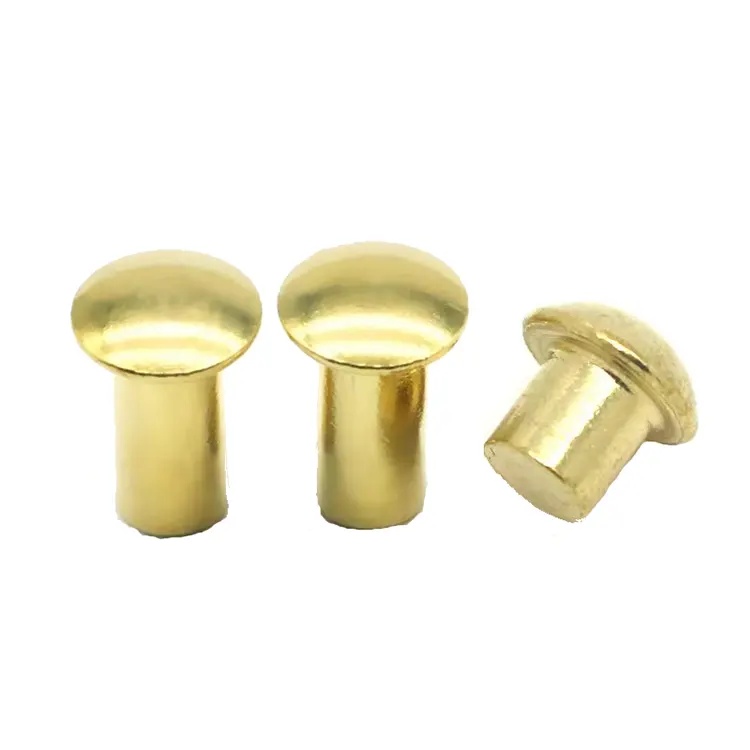
Rebites de cabeça redonda de latão
A Nuote Metals é especializada na produção e venda de rebites de cabeça redonda em latão. Estamos localizados em Dongguan, China, uma cidade com forte desenvolvimento industrial. Nossos rebites de cabeça semi-bulgy de cobre consistem em uma haste e uma tampa feitas de liga de latão. O design da cabeça semi-protuberante proporciona distribuição uniforme da pressão, evitando danos à superfície articular. Eles são caracterizados por sua condutividade elétrica combinada e resistência à corrosão, construção simples, fácil instalação, alta confiabilidade e longa vida útil.
consulte Mais informaçãoEnviar consultaProcesso de fabricação de rebites especiais
A fabricação de rebites especiais envolve vários elos, incluindo principalmente:
1.Seleção de materiais:Selecione materiais de metal ou liga adequados de acordo com o ambiente de uso.
2.Rumo frio ou rumo quente:Use o processamento de pressão para formar a forma básica do rebite na peça metálica.
3.Torneamento ou Fresamento:Processe com precisão os detalhes, como a cabeça e a haste do rebite, para garantir a precisão dimensional.
4.Tratamento de superfície:Como galvanização, niquelagem, anodização, etc. para melhorar a resistência à corrosão ou a estética.
Vantagens e limitações dos rebites especiais
(1) Vantagens: Eles podem atender a necessidades especiais, melhorar a eficiência da montagem e a confiabilidade da conexão e são adequados para cenários de aplicação complexos ou de alta demanda.
(2) Limitações: Por se tratarem de produtos customizados, o custo de produção é alto, o ciclo de entrega é relativamente longo e os clientes são obrigados a fornecer parâmetros técnicos detalhados.
Como escolher rebites especiais adequados?
(1)Esclareça as necessidades:Determine os principais parâmetros, como ambiente operacional do rebite, condições de tensão e requisitos de resistência à corrosão.
(2)Correspondência de materiais:Selecione o material apropriado com base nas necessidades reais para evitar projetos excessivos que levam ao aumento de custos.
(3)Comunique-se com os fornecedores:Forneça desenhos técnicos detalhados ou amostras para garantir que os rebites especiais produzidos atendam às expectativas.
Quais são as principais aplicações dos rebites especiais?
(1)Aeroespacial: Aeronaves, foguetes e outros equipamentos têm requisitos extremamente elevados para peso, resistência e resistência a altas temperaturas dos fixadores. Os rebites especiais podem ser otimizados de acordo com necessidades específicas.
(2)Fabricação de automóveis:Certos modelos especiais ou veículos de alto desempenho podem exigir rebites especiais para atender às necessidades de conexões leves ou de alta resistência.
(3)Equipamento eletrônico:Instrumentos de precisão ou pequenos equipamentos eletrônicos podem exigir rebites micro especiais para garantir a estabilidade e compactação da conexão.
(4)Indústria da construção:Alguns edifícios com estrutura especial ou projetos de decoração podem usar rebites especiais para atender a requisitos específicos de instalação.
Status de mercado de rebites especiais
Com o avanço da tecnologia industrial, mais e mais indústrias começaram a usar rebites especiais para otimizar o design do produto. Atualmente, os fabricantes de rebites especiais estão concentrados principalmente nas regiões do Delta do Rio Yangtze e do Delta do Rio das Pérolas na China e podem fornecer uma variedade de serviços personalizados. Devido ao alto preço unitário dos rebites especiais, seu tamanho de mercado é relativamente pequeno, mas a demanda na área de manufatura de alta qualidade continua a crescer.
Tendências futuras de desenvolvimento
(1)Design leve: Com a melhoria dos requisitos de economia de energia e proteção ambiental, os rebites especiais feitos de materiais leves serão mais populares.
(2)Produção inteligente: Equipamentos automatizados e gerenciamento digital melhorarão ainda mais a eficiência da produção e a estabilidade da qualidade dos rebites especiais.
(3)Aplicação mais ampla: Indústrias emergentes, como novas energias e robótica, podem impulsionar o crescimento da demanda por rebites especiais.
Em resumo, os rebites especiais são fixadores altamente personalizados que podem atender a necessidades especiais que os rebites padrão não conseguem atender. Embora seu custo de produção seja relativamente alto, ele desempenha um papel insubstituível em indústrias como aeroespacial, automobilística e eletrônica. No futuro, com o avanço da tecnologia de fabricação, espera-se que o escopo de aplicação dos rebites especiais se expanda ainda mais.



X
Utilizamos cookies para lhe oferecer uma melhor experiência de navegação, analisar o tráfego do site e personalizar o conteúdo. Ao utilizar este site, você concorda com o uso de cookies.
política de Privacidade