Peças de estampagem
Produtos
- View as
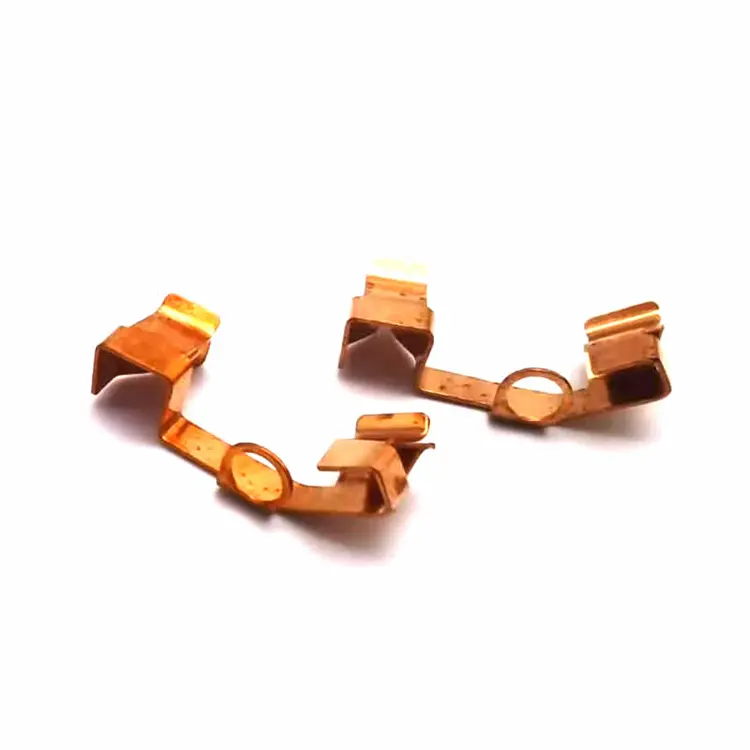
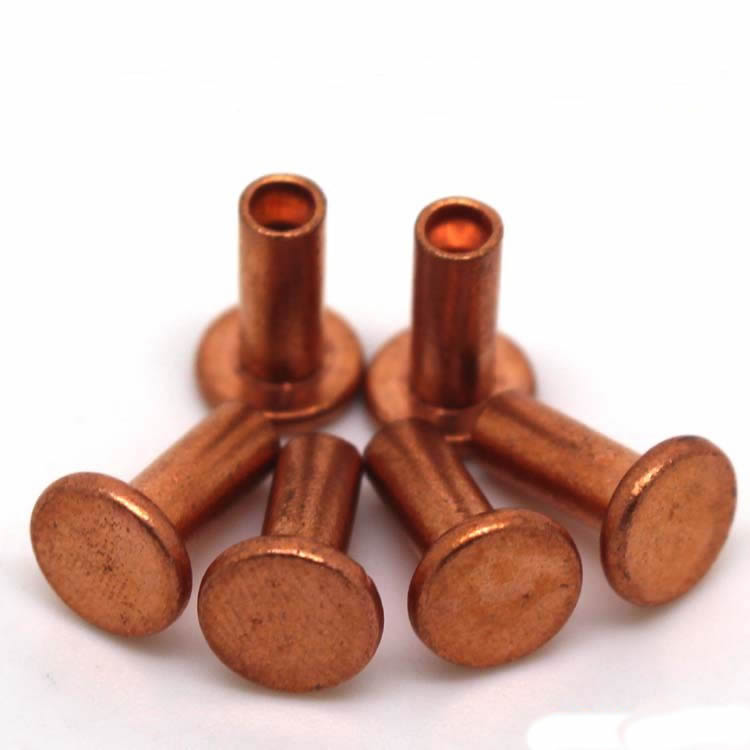
Estampagem de peças para soquete
Stamping Parts For Socket é um fabricante líder de peças de estampagem de metal progressivo, as peças de estampagem são amplamente utilizadas em interruptores, relés, termostatos, contatores, seccionadores, controladores, temporizadores e outros aparelhos de baixa tensão.
consulte Mais informaçãoEnviar consulta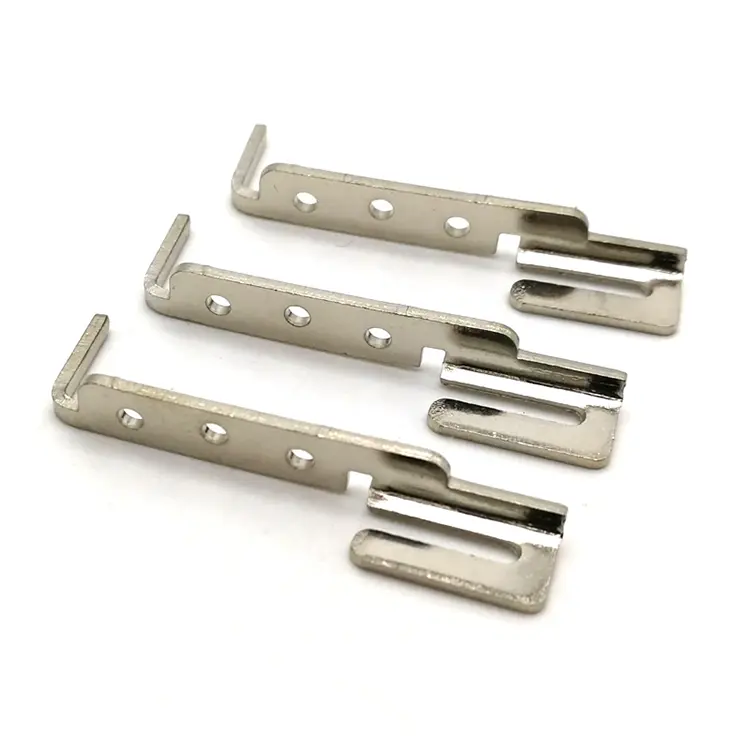
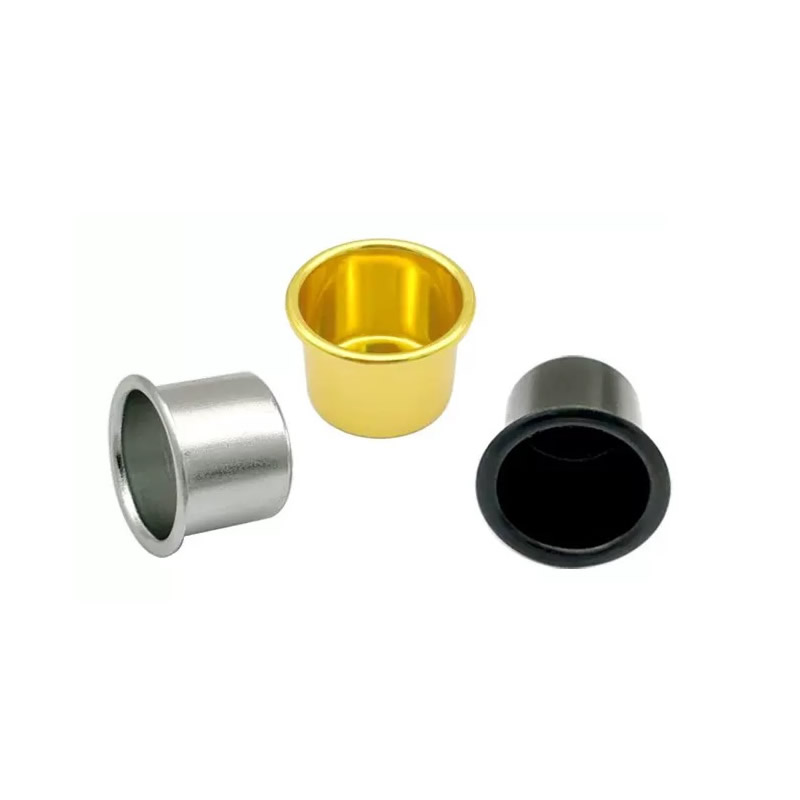
Peças estampadas de metal
A Nuote Metals é especializada na produção interna de peças estampadas em metal. Temos uma equipe interna de especialistas para projeto, construção, operações de prensagem exemplares e montagem de ferramentas e matrizes. Temos mais de 10 anos de experiência em técnicas de estamparia de metais, envie-nos seu desenho para um orçamento rápido.
consulte Mais informaçãoEnviar consulta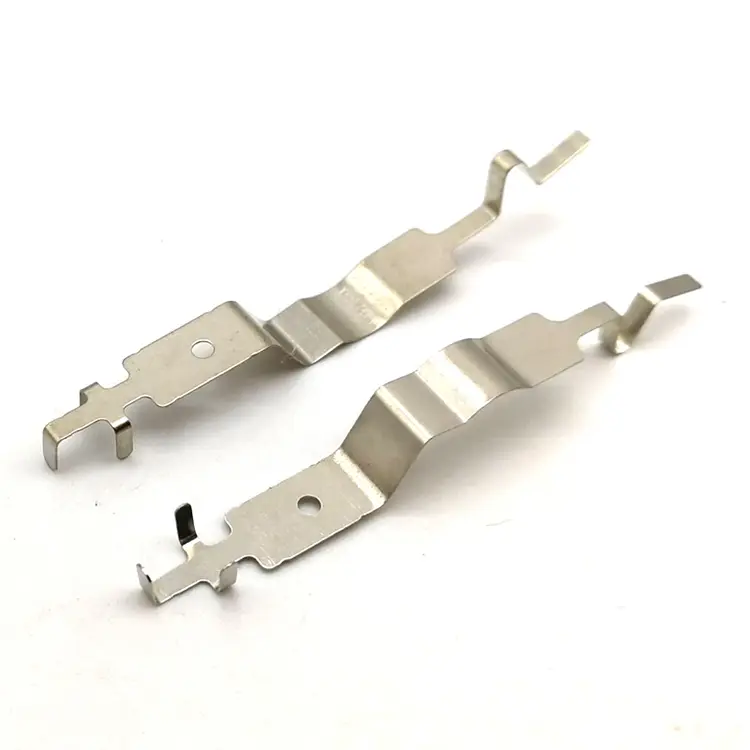
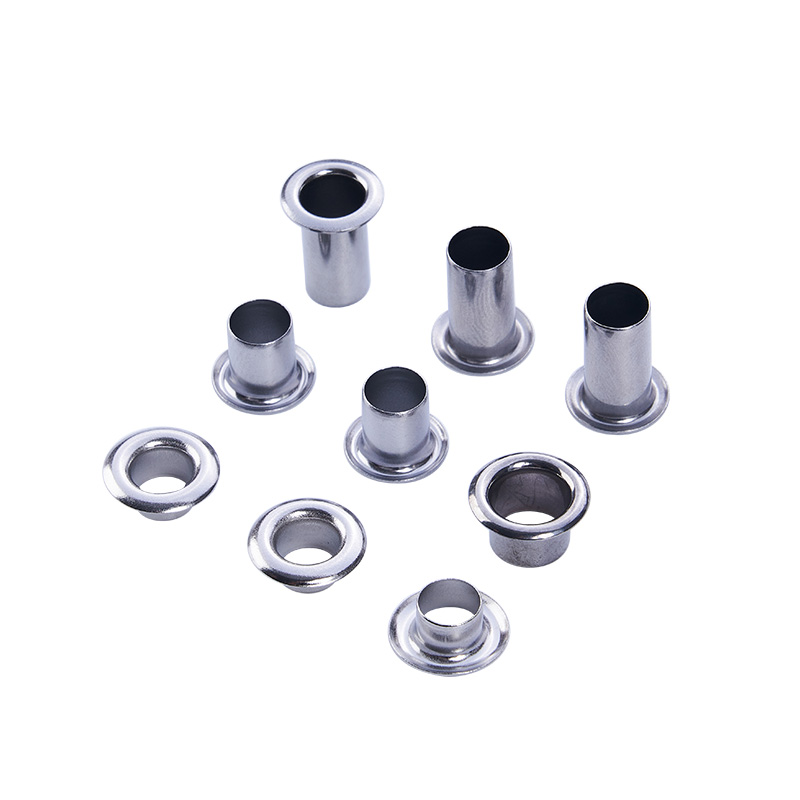
Peças de estampagem de metal
Nuote Metals é um fabricante líder de peças de estampagem de metal de componentes personalizados de uma variedade de materiais básicos, como alumínio, latão, aço inoxidável, cobre-berílio, aço, etc.
consulte Mais informaçãoEnviar consulta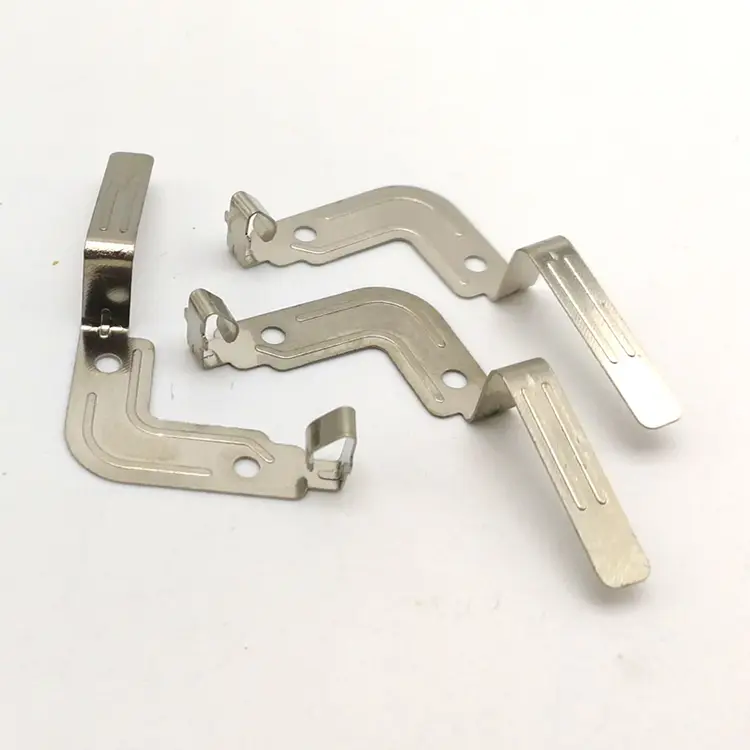
Carimbo de precisão de peças metálicas
A Nuote Metals pode usar uma variedade de metais para produzir peças metálicas estampadas com precisão. No entanto, alguns processos e tipos de metais têm melhor desempenho no processo de estampagem de metal de precisão ou são mais adequados para um caso de uso específico.
consulte Mais informaçãoEnviar consulta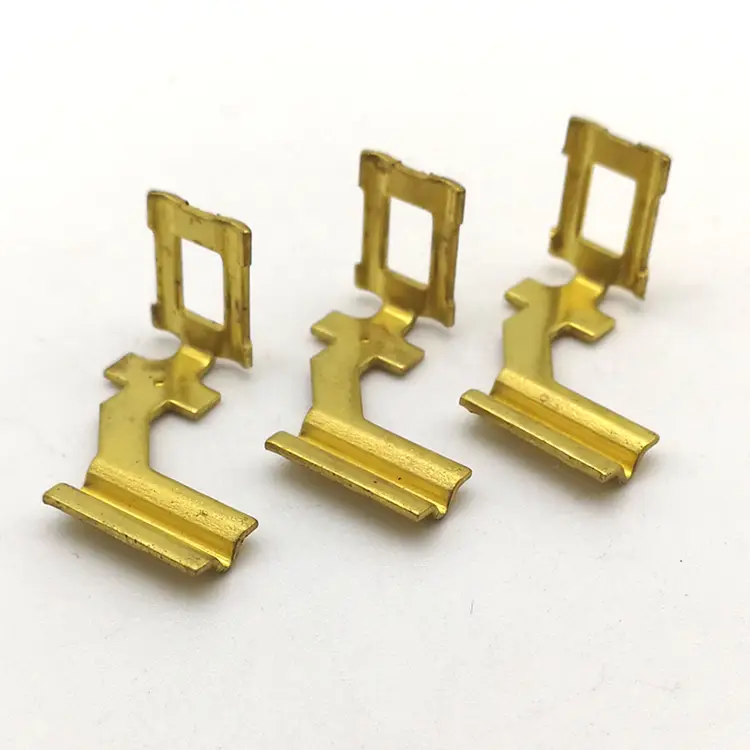
Estampagem de metal de precisão
Nuote Metals é um fabricante com sede na China de componentes de estampagem de metal de precisão - peças de metal de precisão produzidas usando estampagem progressiva, composta e de transferência. Com prensas que variam de 25 a 200 toneladas, lidamos com materiais como aço carbono, aço inoxidável, alumínio, latão e cobre. Os recursos incluem corte, perfuração, dobra, desenho, cunhagem e gravação em relevo. Certificado ISO 9001:2015. Revisão gratuita do DFM e amostras disponíveis. Contate-nos hoje.
consulte Mais informaçãoEnviar consultaSome important factors to keep in mind:
Plasticity and Grain Direction – Plasticity is a measure of the permanent deformation a material undergoes when subjected to stress. Metals with greater plasticity are more susceptible to forming. Grain direction is important in high-strength materials, such as tempered metals and stainless steel. If bending occurs along a high-strength grain, cracking is more likely.
Bending Deformation/Expansion: Bending deformation causes expansion of up to 1/3 of the material thickness. This deformation/expansion becomes more severe as the material thickness increases and the bend radius decreases. Web and "mismatch" cutting: This involves making very slight indentations or protrusions in the part, typically about 0.1mm deep. This feature is not required when using composite or transfer tools, but it is essential when using progressive dies.
Advantages and Limitations of Stamping
Advantages:
- Low cost: In mass production, the cost per part can be reduced to one-third of that of a cast part;
- High consistency: Dimensional tolerances can be controlled within ±0.1mm;
- High material utilization: Through nesting optimization, the utilization rate can reach over 85%.
Limitations:
- Long mold development cycle and high initial investment, making it unsuitable for large-scale production;
- Complex three-dimensional structures (such as hollow crankshafts) require integration with other processes.
Core Application Areas of Stamping Parts
1. Automotive Industry: Accounts for over 60% of total stamping part demand, including body panels and chassis components;
2. Electronics and Electrical: For example, metal mobile phone frames and heat sinks, thicknesses can be as thin as 0.2mm;
3. Home Appliance Industry: Refrigerator panels, air conditioner housings, etc., where surface aesthetics can be enhanced through electroplating or spraying.



X
Utilizamos cookies para lhe oferecer uma melhor experiência de navegação, analisar o tráfego do site e personalizar o conteúdo. Ao utilizar este site, você concorda com o uso de cookies.
política de Privacidade