Rebites
Produtos
- View as
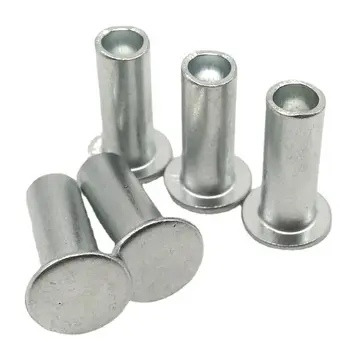
Rebites meio tubulares de aço
Os rebites semi-tubulares de aço da Nuote Metals, uma fábrica na China, oferecem uma solução de fixação econômica para fabricação e construção em geral. Feitos de aço carbono de alta resistência, esses rebites oferecem excelente resistência ao cisalhamento para montagens pesadas, como andaimes, equipamentos agrícolas e móveis de aço. O design semi-tubular alarga-se suavemente sob pressão, reduzindo a força de instalação enquanto mantém uma aderência firme. Disponível com diâmetros, comprimentos e acabamentos personalizados – zincado, liso ou óxido preto. Ao contrário do aço inoxidável, nossos rebites de aço oferecem resistência comparável a um preço mais baixo, ideal para pedidos de alto volume. Resolva restrições orçamentárias sem sacrificar a confiabilidade. Confie em nossa fábrica para precisão, consistência e entrega pontual de seus rebites semi-tubulares de aço personalizados.
consulte Mais informaçãoEnviar consulta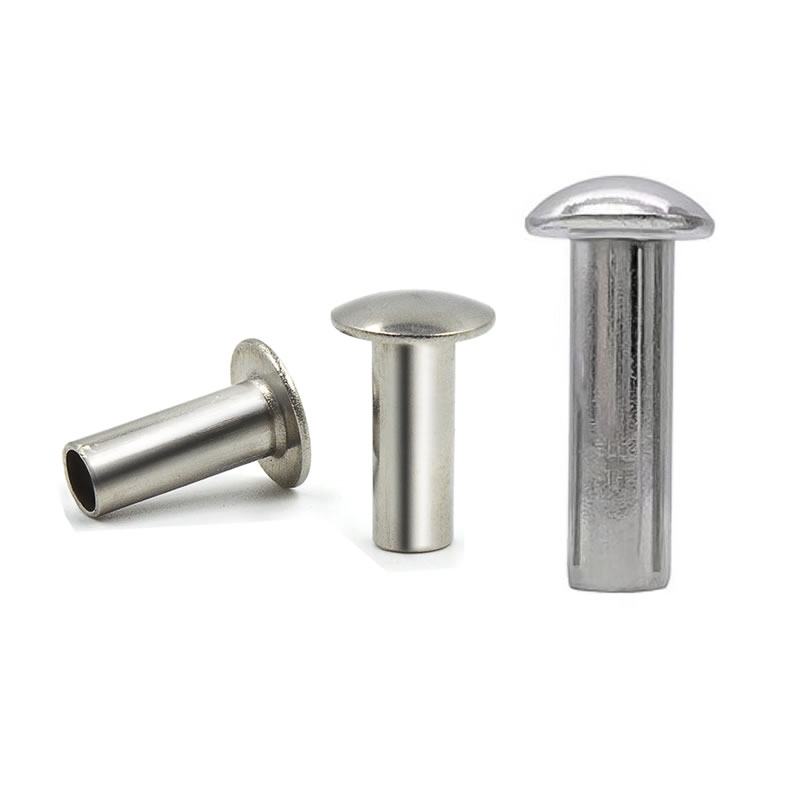
Rebites semi-ocos de cabeça redonda
Rebites semi-ocos de cabeça redonda personalizados – é nisso que a Nuote Metals, uma fábrica na China, se destaca. Com uma cúpula clássica para distribuição uniforme de carga e uma haste semi-oca que se ajusta facilmente sem força excessiva, esses rebites são adequados para móveis, interiores automotivos e ferragens em geral. Escolha entre aço, latão ou aço inoxidável em dimensões personalizadas. Resolva juntas soltas e fissuras de materiais com nossos rebites feitos com precisão. Confie em nós para obter qualidade consistente, entrega rápida e soluções personalizadas que atendem às suas necessidades de montagem.
consulte Mais informaçãoEnviar consulta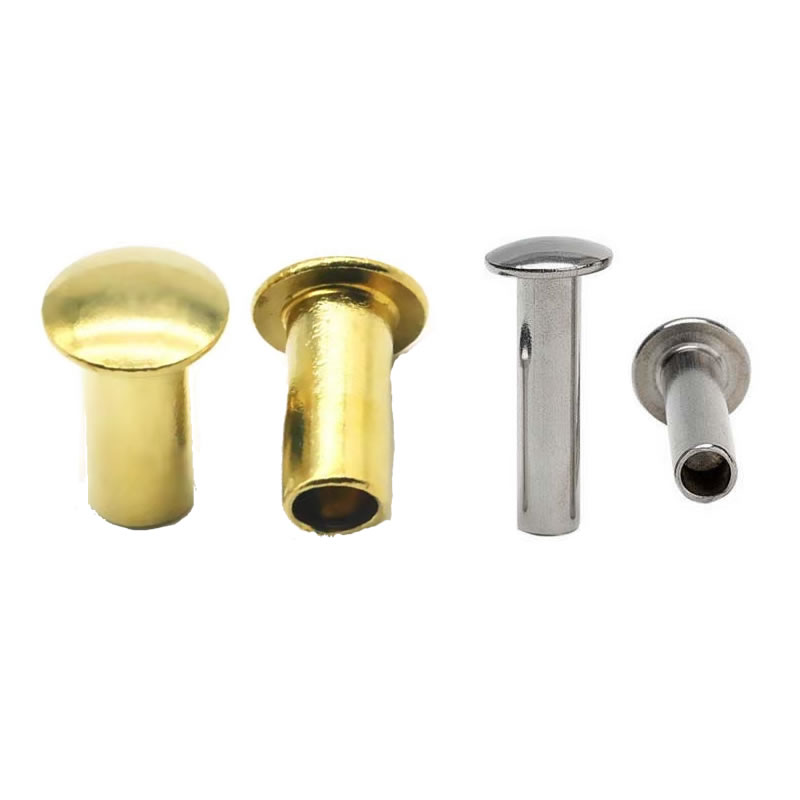
Rebites semi-ocos de cabeça panela
Para uma cabeça moderadamente abaulada que fica perfeitamente acima da superfície, os rebites semi-ocos de cabeça panela personalizados de nossa fábrica na China, Nuote Metals, oferecem função e acabamento. A cabeça panorâmica fornece boa força de fixação sem o volume de uma cúpula completa, enquanto o corpo semi-oco reduz o esforço de condução e evita danos ao substrato. Ideal para gabinetes elétricos, ferragens de móveis e acabamentos automotivos. Disponível em aço, latão ou aço inoxidável. Obtenha um brilho consistente e uma aderência segura sempre. Confie em nós para rebites feitos com precisão que simplificam seu processo de montagem.
consulte Mais informaçãoEnviar consulta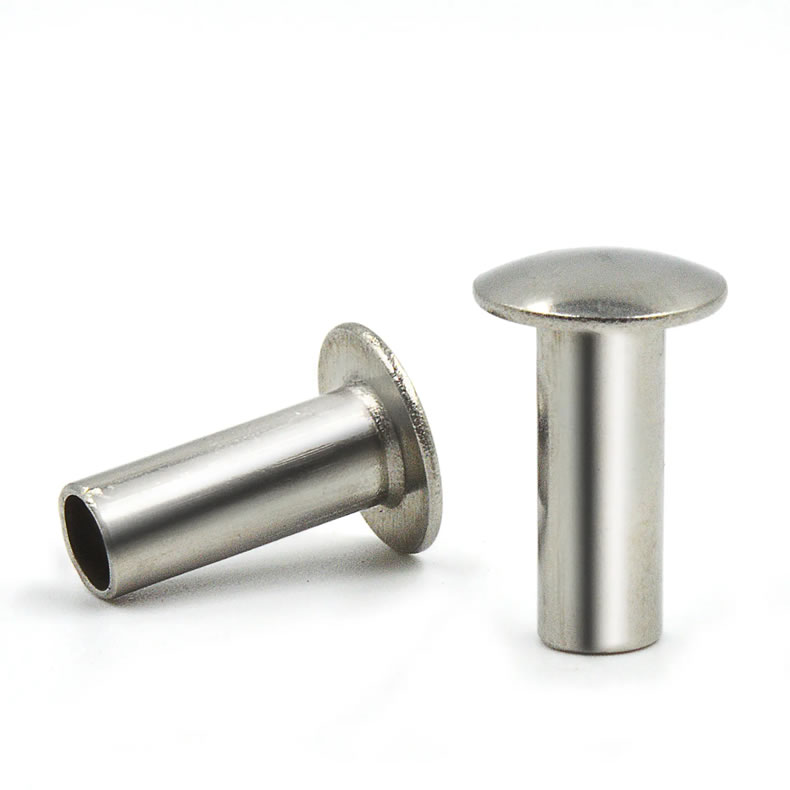
Rebites semi-ocos de aço inoxidável
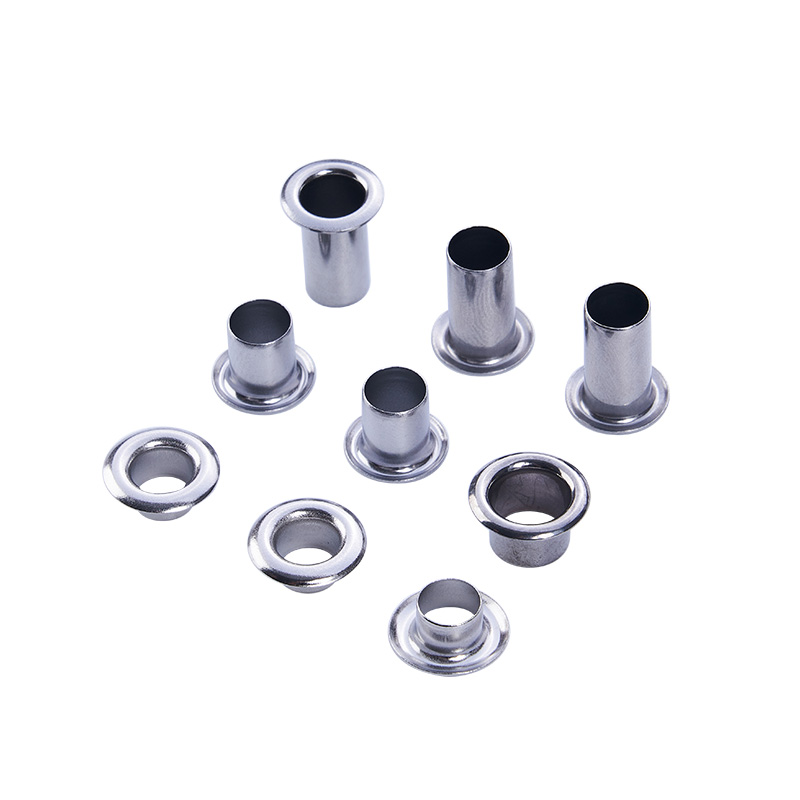
A fixação de precisão para aplicações exigentes começa com rebites semi-ocos de aço inoxidável personalizados da Nuote Metals, uma fábrica na China. O design semi-oco reduz a força de instalação, enquanto o corpo inoxidável oferece excelente resistência à corrosão e ao cisalhamento. Perfeito para ferragens marítimas, equipamentos alimentícios e montagens automotivas onde a ferrugem não é uma opção. Disponível nas classes 304 e 316. Elimine articulações fracas e falhas prematuras. Confie em nossa fábrica para obter qualidade consistente, tolerâncias rígidas e resposta rápida em pedidos personalizados.
consulte Mais informaçãoEnviar consulta
Rebites semi-ocos com cabeça de cogumelo
Quando seu projeto exige um rebite abobadado que distribua a carga uniformemente, escolha rebites semi-ocos com cabeça de cogumelo personalizados de nossa fábrica na China, Nuote Metals. A cabeça larga protege materiais macios como couro e plástico contra a passagem, enquanto o corpo semi-oco endurece com menos força. Ideal para malas, cabos de ferramentas e acabamentos automotivos. Disponível em aço, latão ou aço inoxidável. Confie em nós para uma fabricação de precisão que soluciona falhas de juntas e rachaduras superficiais.
consulte Mais informaçãoEnviar consulta
Rebites semi-ocos de cabeça plana
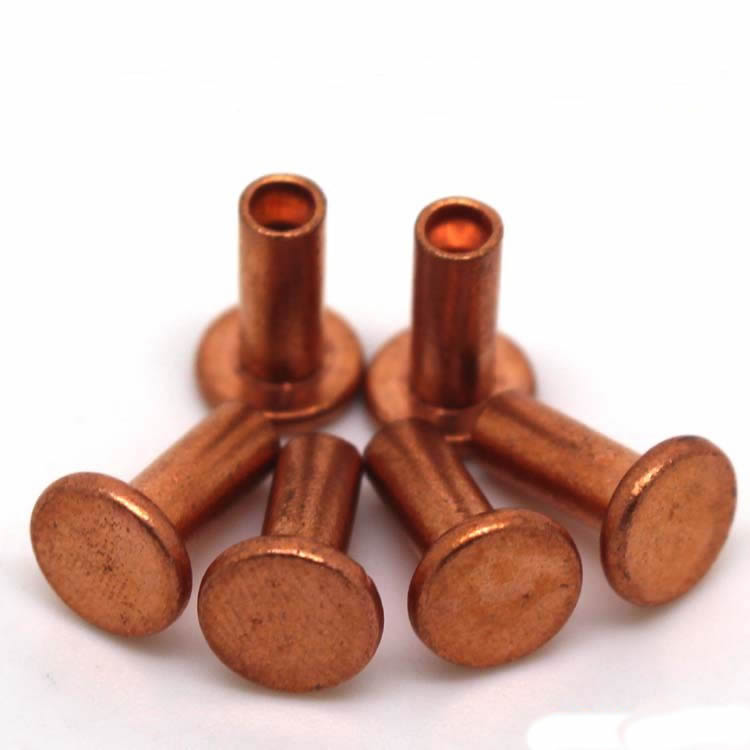
Precisa de uma solução de fixação embutida? Nuote Metals da China, uma fábrica profissional, oferece rebites semi-ocos de cabeça plana personalizados. A cabeça plana fica perfeitamente nivelada com superfícies de materiais, ideal para eletrônicos, placas de identificação e painéis automotivos. O corpo semi-oco reduz a força de ajuste enquanto mantém uma aderência forte, evitando rachaduras em materiais quebradiços. Disponível em latão, aço e aço inoxidável. Resolva saliências superficiais e danos de montagem com rebites de precisão. Confie em nós para uma qualidade consistente que aprimora o acabamento do seu produto.
consulte Mais informaçãoEnviar consultaQuais são as vantagens dos rebites sobre outros fixadores?
1. Facilidade de instalação
Os rebites são rápidos de instalar e até mesmo totalmente automatizados para aplicações de alto volume, resultando em um processo de operação simples e eficiente.
2. Confiabilidade da conexão
O processo de rebitagem é padronizado, com rigoroso controle de qualidade, resultando em conexões altamente estáveis. A inspeção visual permite a verificação rápida da qualidade da conexão.
3. Vibração e resistência ao impacto
Os rebites se conectam por meio de deformação ou ajuste por interferência, proporcionando forte força de fixação e excelente resistência à vibração, capaz de suportar vibrações e choques.
4. Baixo custo
Os rebites são fáceis de instalar e podem ser totalmente automatizados, economizando custos de mão-de-obra significativos.
Quais são as vantagens e desvantagens dos rebites feitos de diferentes materiais?
Rebites de alumínio
Vantagens: Leve, reduz o peso geral do produto, baixo custo, adequado para aplicações civis em geral.
Desvantagens: Baixa resistência à tração e ao cisalhamento, inadequada para peças de alta resistência, propensa à corrosão eletroquímica quando em contato com metais como aço inoxidável.
Rebites de aço inoxidável
Vantagens: Forte resistência à corrosão, alta dureza, adequada para peças de alta resistência (como equipamentos marítimos)
Desvantagens: Custo mais elevado, normalmente mais caro que rebites de alumínio da mesma especificação.
Rebites de latão e cobre
Vantagens: Excelente condutividade (como conexão de componentes eletrônicos), boa resistência à corrosão.
Desvantagens: Custo mais elevado, mais difícil de processar.
Rebites de aço
Vantagens: Alta dureza, alta confiabilidade de conexão e ampla aplicabilidade.
Desvantagens: Em comparação com outros materiais, os rebites de ferro são mais propensos a enferrujar.
Quais são as principais aplicações dos rebites?
Os rebites têm uma ampla gama de utilizações, desde itens pequenos, como uma tesoura, até itens grandes, como aviões e navios, bem como em aplicações médicas de alta precisão.
Fabricação Industrial
Os rebites são utilizados em uma ampla variedade de campos industriais, sempre que houver necessidade de conectar dois ou mais materiais.
Eletrônica
Os rebites protegem dissipadores de calor e chips, proporcionando amortecimento de vibrações e redução de ruído, e são amplamente utilizados em sistemas de refrigeração de produtos eletrônicos, como computadores e telefones celulares.
Automotivo
Os rebites são amplamente utilizados para conectar componentes de carrocerias e chassis de automóveis, como portas e capôs. Suas propriedades leves e resistentes à corrosão os tornam um método de união indispensável na fabricação automotiva.
Aeroespacial
Na fabricação de aeronaves, rebites são usados para conectar diferentes componentes da fuselagem, como asas e cauda. Milhões de rebites criam juntas de alta resistência e resistentes à corrosão. Rebites de liga de alumínio e titânio são frequentemente usados para conectar componentes de materiais correspondentes, garantindo estabilidade em ambientes extremos.
Os rebites são usados em todos os lugares. Os exemplos acima representam apenas um pequeno número de suas aplicações. Vemos rebites em todos os lugares do nosso dia a dia, como em tesouras, camas dobráveis, carrinhos de bebê, etc. Os rebites podem ser personalizados em diferentes tamanhos e materiais, dependendo da aplicação.
A Nuote Metals é especializada na indústria de rebites há mais de uma década. Nossa fábrica está localizada em Dongguan, uma cidade conhecida como "Fábrica Mundial", uma cidade com uma indústria desenvolvida e transporte conveniente. Isso nos permite responder rapidamente na aquisição de matérias-primas e no suporte aos tratamentos de superfície, atendendo às necessidades de nossos clientes de acesso rápido a amostras e pedidos em grandes quantidades. Produzimos 10 milhões de rebites diariamente e temos moldes de diversas especificações, o que nos permite produzir rebites tão pequenos quanto 0,8 mm e tão grandes quanto 10 mm. Congratulamo-nos com suas dúvidas e visitas.



X
Utilizamos cookies para lhe oferecer uma melhor experiência de navegação, analisar o tráfego do site e personalizar o conteúdo. Ao utilizar este site, você concorda com o uso de cookies.
política de Privacidade